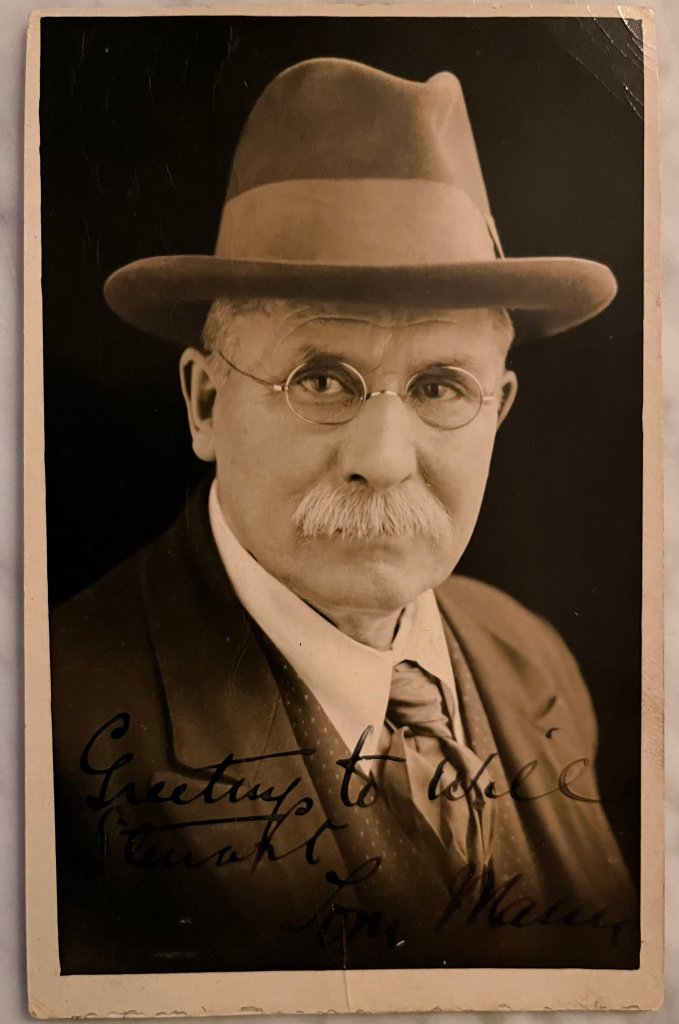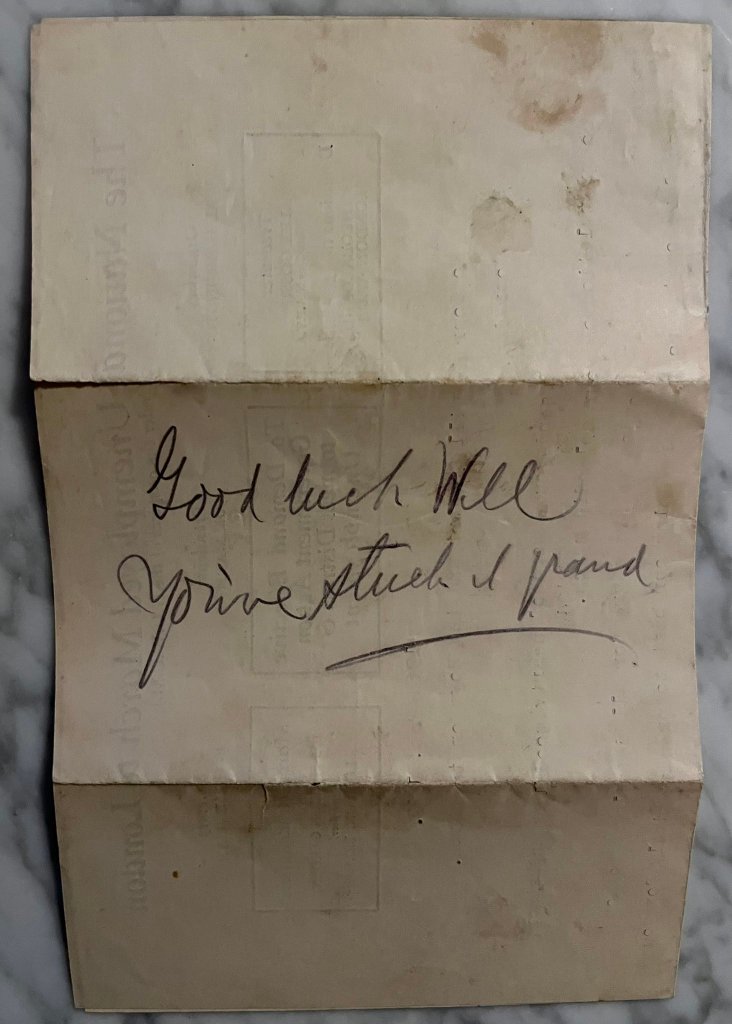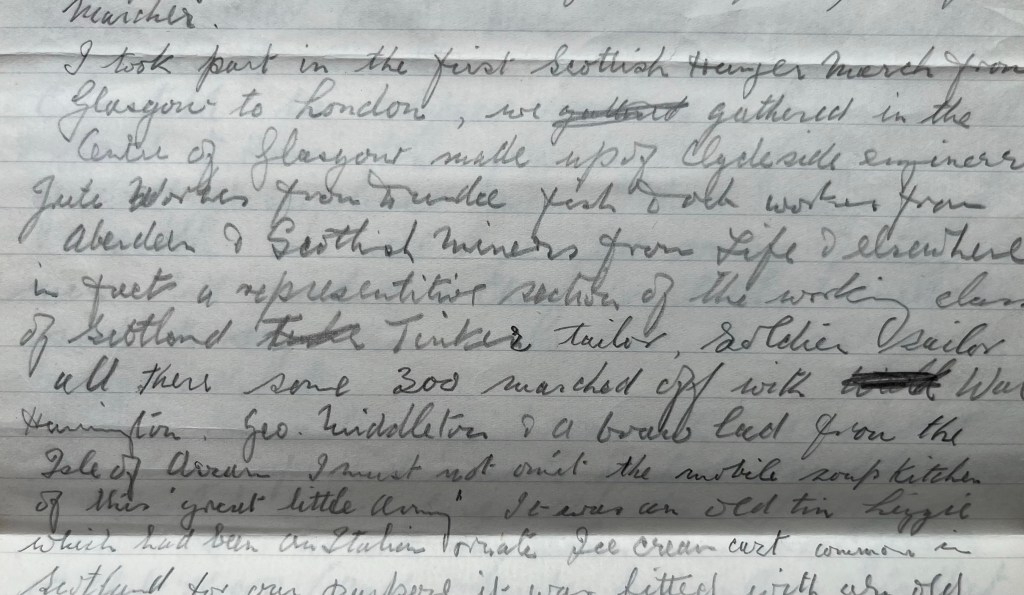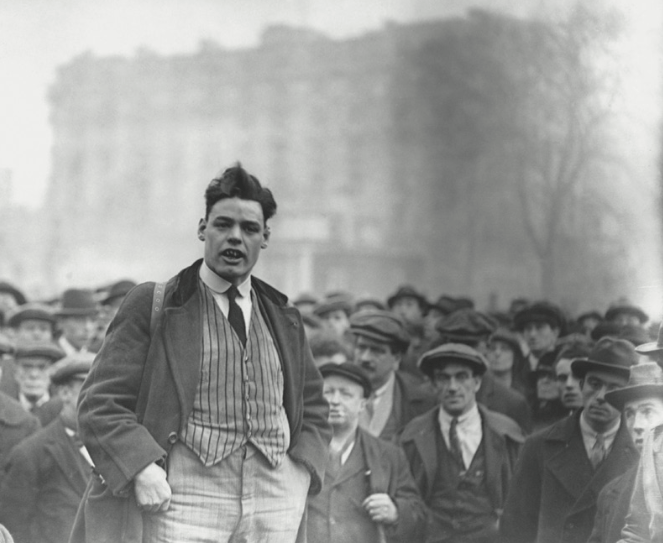
The Case of the SS Stalingrad, the Polar Bear and the Barrels of Siberian Honey.

God, how my father loved to tell stories. At his funeral I spoke about the times in my twenties when I used to ring home and he would talk and talk to the point where I would put the receiver down and walk off for five minutes to make a cup of tea. When I picked up again, dad would still be going strong, never knowing he’d been speaking to empty space. In the week following his death I searched everywhere for any recording I had of him and his voice. I imagine a lot of people who don’t stop talking only ever think of themselves but I don’t think this was true of dad. He was interested in everything and everyone. Our friends became his friends and he was always happiest surrounded by people. In short – he was a lot of fun.

Unfortunately, in his last years vascular dementia dulled a lot of this. Buttonholing strangers for random conversations and endlessly repeated reminiscences of his wartime childhood were the norm for a while. Whereas in the past his stories entertained us, now they just made us apprehensive. They were to be policed and quietly managed. He had no filter. There would be myself, my partner and our small child together with my parents on a day out and when we sat down for lunch in a cafe dad would often turn his chair around and begin regaling the family behind us with his criticisms of ‘the colour bar’ in the 1960s, or the Napoleonic wars, whatever came to mind at that moment. These strangers would look bemused and often a little alarmed wondering why this person had attached themselves to their party before we got his attention to turn back to us. However, the illness didn’t dull his sense of the absurd. A few years before he died, during one of the rare times our small family was all together, he told a bizarre anecdote about his father trapped on a cargo ship with a polar bear drunk on Siberian honey. I had originally remembered the bear as being loose on a Russian submarine but my brother put me right – his memory of the story makes much more sense.

Although I can’t recall the exact words, dad’s tale left indelible images in my mind. Here’s my attempt at a retelling:

An icy breeze buffets the gulls gliding in the stone grey Leningrad skies. The docks seem busier than usual – all the activity focussed on a cargo ship berthed on the western side already sitting heavy in the water ready for its voyage. On the quayside, amongst the bedraggled dockworkers, stands a group of soldiers with rifles on their shoulders smoking and chatting nervously amongst themselves. Sailors weave past them, hats pulled down and jackets fastened tight against the Baltic air as they make the final preparations for their journey. Just one more item of cargo to load.

A crane rattles and wheezes into life. The crowds of dockers, soldiers and sailors all stop for a moment to gaze up at the large cage now being loaded on to the deck. Inside lies a huge mass of white fur which undulates slowly. Wheezing and snuffling sounds can be heard – the beast is heavily sedated. However, it is the large, black claws, each one the size of a hunting knife, that seizes the bystanders’ attention. This very large, very dangerous polar bear is on its way to London. It is a gift from Stalin himself.

With some difficulty sailors and dockworkers push and heave the massive drugged carnivore into a small compartment down in the hold where it settles down to snore away the effects of the anaesthetic. There is relief when the bar is shut down against the door and the key is turned – every man fully aware of the damage their cargo could do if it woke up and decided to clamp its jaws around their head. The final preparations are made for the journey and before long the steamship is manoeuvring its way out of the harbour towards the Gulf of Finland and out to the Baltic Sea on its way to England.

Unfortunately, the comrades haven’t read their AA Milne. In a oversight that they would soon regret, the sailors have stored a consignment of Siberian honey next to the sleeping bear. It may as well have been a powder keg. There are barrels and barrels of the stuff and, while a small group of off duty sailors sit around and pass the time playing cards, a pungent, earthy smell diffuses throughout the hold.

One of the sailors there is called Bill- a communist from Scotland. He’s there to make sure everything runs smoothly. That Stalin’s magnanimous gift is delivered without a hitch. As the cards are dealt once again, Bill becomes aware of a low growl and a scratching noise coming from the bear’s compartment. He ignores it as do the rest of the company and the game goes on. They imagine the bear is simply dreaming in the way they’ve seen their pet dogs chase rabbits in their sleep. But the bear is not dreaming. Instead the bear is emerging slowly from its slumber and has caught the scent of the wild honey.

Before long, the smell begins to intoxicate and torment the beast. It begins to get more and more agitated. To begin with the card players merely shout at it to keep the noise down before returning to their game. The growls get louder and then suddenly there is a thudding noise as the bear slams itself against the door in an effort to get to the barrels. It’s at this point the men stop playing and look nervously at each other. There is another thud. The sailors get up. While the others step warily back, Bill takes a few steps towards the bear’s compartment but instinctively stops. It is a very bad idea. Another thud accompanied by an almighty roar and the sailors scatter in panic. They shout to their comrades on deck that the bear is escaping. They shout to their comrades to bring rifles. Another thud and the sound of wood splintering. The sight of a claw, an eye, bared teeth. It’s only going to take a few more goes at battering the door before the bear escapes.

Bill shouts at the others to get out immediately and they scramble for to the steps that will take them up to the deck. Bill is the last to leave and, as he does so, the bear finally smashes through the door sending splintering wood everywhere. The sound it’s making is terrifying. It heads straight for the steps just as Bill gets onto the deck, the swipe of a paw missing his leg by inches. The ashen faced sailors are joined by their comrades as they look down the hatch, the bear snarling up at them. Someone brings along a rifle and attempts to push it into another’s hands. The man refuses. As does another. And another. Soon the whole crowd around the hatch are ignoring the chaos down below, shaking their heads and remonstrating with the man with the rifle. Not one of them is prepared to shoot the animal no matter how much danger they could be in or the damage that could be done. Shoot a gift from Stalin? How would you explain that? Staring at the floor they’d all rather take their chances with the bear.

Looking at the nervous crew Bill decides there is only one solution. He slams the hatch down and locks it, trapping the bear in the hold. The reaction down below is instantaneous- those on the deck can hear the animal going beserk. This seems to last an age- the sound of a bear wrecking every single barrel in the hold. Each smashed casing and the devouring of its contents propelling it into a further frenzy. What is to be done? Nothing it seems and most of the crowd drifts away from the hatch to worry and fret while leaving Bill and a comrade to stand guard. Eventually the bawling and growling gives way to huffing, slurping and chomping. Gradually these are replaced by a whimpering, the sound of a bear dropping to the floor and a heavy wheezing. Its a while before Bill opens the hatch. When he does, he is awed by the scenes of destruction that meet his eye. Every part of the bear’s fur seems matted and drenched with honey, its eyes rolled narcotically to the back of its head and its tongue lolling out of its slavering mouth. It is lying awkwardly on its back atop the wreckage of the entire consignment. Honey oozes out across the floor and splashes the walls. Bill will always remember this sight. A miracle no one was injured. With luck, they can now keep the bear sedated, clean up the mess and fix the worst of the damage. They can deliver their gift. Stalin need never know.

I can still remember the looks my brother gave me as we sat in a Chinese restaurant listening to Dad recount this tale. We hadn’t heard him in full flow for quite some time. It was more lucid than we were used to at that point but also more bizarre. And funny too. Much funnier than my attempt. He was more like his old self. Dad, for his part, maintained it was all true and that his father, Bill, had been one the sailors. It’s since become one of the main things we remember Dad by. Somehow typical of him but also, as it was one of the last of his tales he managed relay to us, more unique than ever. In the intervening years, the only other time I heard him talk at that length and detail was when we spoke on the phone a week before he died. For years all he’d managed was, “I’m being well looked after!” before passing the receiver back to Mum. In that last conversation he spoke for half an hour about how much he loved his parents, our Mum, my brother and me and our partners before speaking beautifully about his grandson. I knew then that it wouldn’t be long and it wasn’t a surprise when my mother rang distraught later that week. That last conversation will stay with me forever. However, the memory of it doesn’t make me laugh which is what Dad was so good at and which is why I have always wanted the polar bear story to be true.

I knew that grandad did work on Soviet steamships so there was a chance it could have happened. I had his discharge book which gave me the details of the ships he sailed on and their destinations but this stopped in 1927. Anyway, the Stalin element suggests that the incident took place in the 1930s but by that time my dad had been born and Bill had a chequered career ranging from working for the Soviet Embassy to being the catering manager at Tottenham Lido. When would he have had the time to go to Leningrad to load a polar bear onto a steamship in the first place?

I knew that if I started to pull at the threads of this tale it might not hold up. In fact it might unravel completely. All the same, I thought it was worth looking into. So, last year I sent an email to the Zoological Society of London. I began by explaining the story and apologising for it being so preposterous. The email continued:

I recently uncovered lot of documents detailing my grandfathers time on the SS Koursk- a steamship transporting goods from USSR to Britain which was operated by ARCOS during the 1920s. So, I have the Russian sailor part of the story but I don’t have the polar bear part. So, my question is. How would I find out whether the USSR gave London Zoo (or similar) a polar bear during the 1920s or 1930s? Is there any further information you could give me?

There might be no proof any of this happened. My dad told a lot of stories and this was one of the best. Wish I’d asked him more about it when he was alive.

The reply I received was remarkably unfazed as though they received requests like mine all the time. On reflection, I’m sure they do. They told me it would take a few days to research as the animal records weren’t kept in the Library and they needed to check with another department. A couple of weeks later I received the following:

Dear Alan,

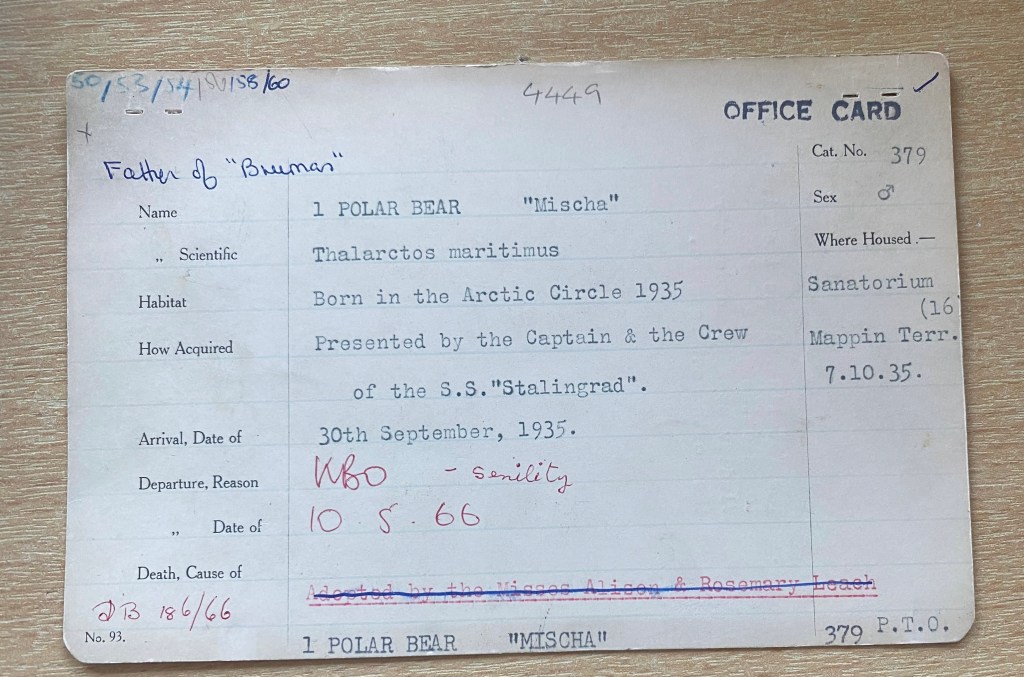
I have searched our animal record cards to locate the polar bear that was shipped from the Soviet Union. There was only one polar bear which seemed a possibility, but I cannot be sure that it is the polar bear that you were told about. I have attached a photograph of the record card to this email.

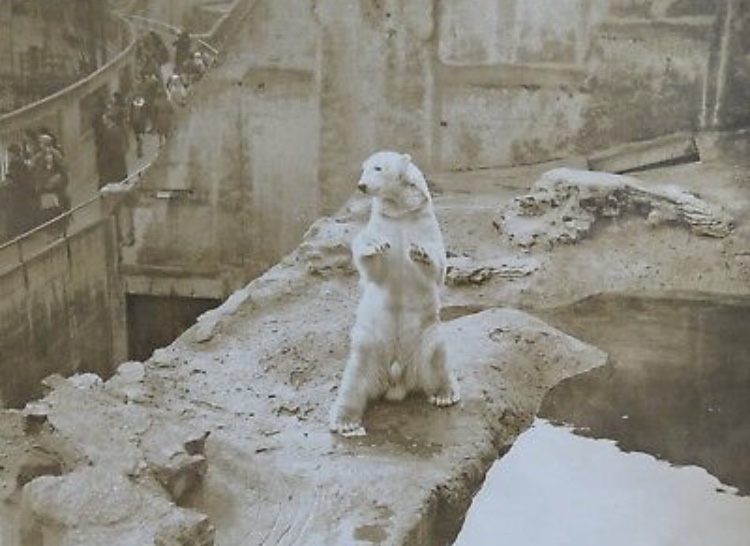
So, on 30th September 1935 Captain Melenkhov and the crew of the SS Stalingrad presented London Zoo with a male polar bear called Mischa. In all probability this was the bear I was looking for. I managed to find an image of Mischa fairly easily. Standing upright in the Mappin Terrace enclosure. A huge beast. One you definitely wouldn’t want to get too close to. He looks fairly benign but then look at the size of those paws and imagine the strength behind them. You know how bears are. They can turn on you just like that. Much later Mischa became a father to the much more famous Brumas -the first baby polar bear to be successfully reared in Britain and a huge hit with the public. His image adorning a seemingly endless range of memorabilia. So, this was the polar bear part of the tale- whether I’d be able to find the truth regarding its journey to England though was another matter entirely.

Mischa the Polar Bear at London Zoo.
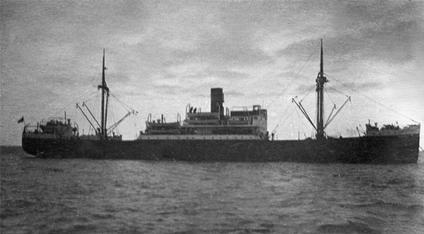
The SS Stalingrad

The SS Stalingrad, was a cargo-passenger ship built for ice navigation making regular trips across the Arctic Ocean and the North Atlantic transporting goods back and forth between Russia and the United Kingdom. That means it was more likely to sail out from Vladivostok, Murmansk and Archangel rather than the Baltic port of Leningrad. During the Second World War, while it was part of a convoy carrying munitions from the UK to Russia via Reykjavik, it was sunk by a torpedo from a German U-boat. 21 lives were lost.

However, though our grandad had served on similar vessels in the past, by 1935, having recently become a father, he was rarely at sea. Did he make it onto the SS Stalingrad at all? My brother thinks that if he made this trip it was a one off. Possibly because he could be trusted & spoke English. After all, his sister was working in Moscow, and his father was a Comintern Agent. However, I think now it’s just as likely that Bill Stewart wasn’t on the crew. That maybe he just had friends on board and that he met up with them when they docked at Surrey. That he had nothing to do with trying to calm down a raging, Stalinist bear, blitzed on honey in the middle of the Baltic but that he heard all about it later. Or, of course, he may have made the whole thing up.

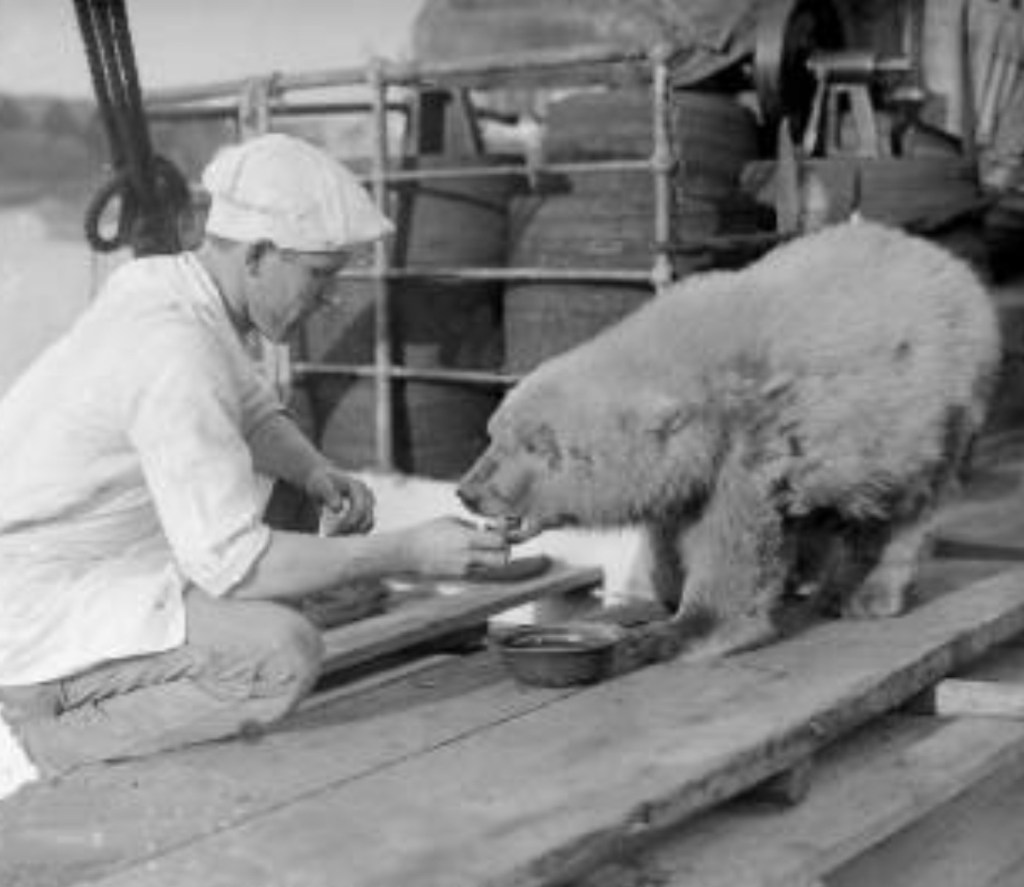
That first photograph I found of Mischa had lent a little bit of credence to the story and, as I put the whole thing aside for a few months wondering how to write about it, I just accepted that Russian sailors had stored an adult polar bear in the hold. There was something I’d missed on the card from London Zoo though. Next to the category ‘Habitat’ it said ‘Born in the Artic Circle in 1935’. I only noticed that, however, once I’d found another photograph of Mischa. This time on board the SS Stalingrad on its arrival in Britain that same year.

Mischa being fed on board the SS Stalingrad shortly before he as presented as a gift to the London Zoological Society. September 1935

Of course, Mischa hadn’t been a raging beast crammed into the hold ready to burst out and attack the crew until it was overcome by a stupor brought on by its gargantuan consumption of nectar. In reality one of the crew had picked up an infant bear of considerably less terrifying stature somewhere around the Arctic Circle during the ship’s voyage. Whether it was an orphan or not I do not know but Mischa clearly became a kind of ship’s mascot and the cute little thing might have been able to give you a nasty nip but would have found smashing through a compartment door next to impossible. Evidently Captain Melenkhov wasn’t sure what should be done with it on arrival in England and so presenting it to London Zoo seemed as good an idea as any. The story wasn’t true. It was wholly exaggerated. It was nonsense.

And then I realised what the story was. And I realised why my dad came to be telling it to us just as dementia started taking hold. When Mischa arrived in London, dad was a little over two years old. The tale of the polar bear drunk on Siberian honey was simply a story told by our grandfather Bill to his son Robin. Bill hadn’t been there. He may have had only the slightest connection to the whole incident but he made it his own. It was told to enchant, to amuse and to delight. To bring the teller and the listener closer together. I remember recounting a similar story to my toddler at a visit to the Natural History Museum once as we filed past a row of stuffed bears. “Look- that’s the bear that stole Daddy’s hair,” I said, going on to invent a suitably outlandish tale which my child, now a teenager, still remembers. My dad’s story was better though and the care he took to tell it showed the care our grandad took in embellishing it in the first place and none of it is surprising as clearly we are all a ludicrously sentimental lot in our family.

When I realised the whole saga was just a story told by Bill to Robin I cried for a bit. And then I was ok.

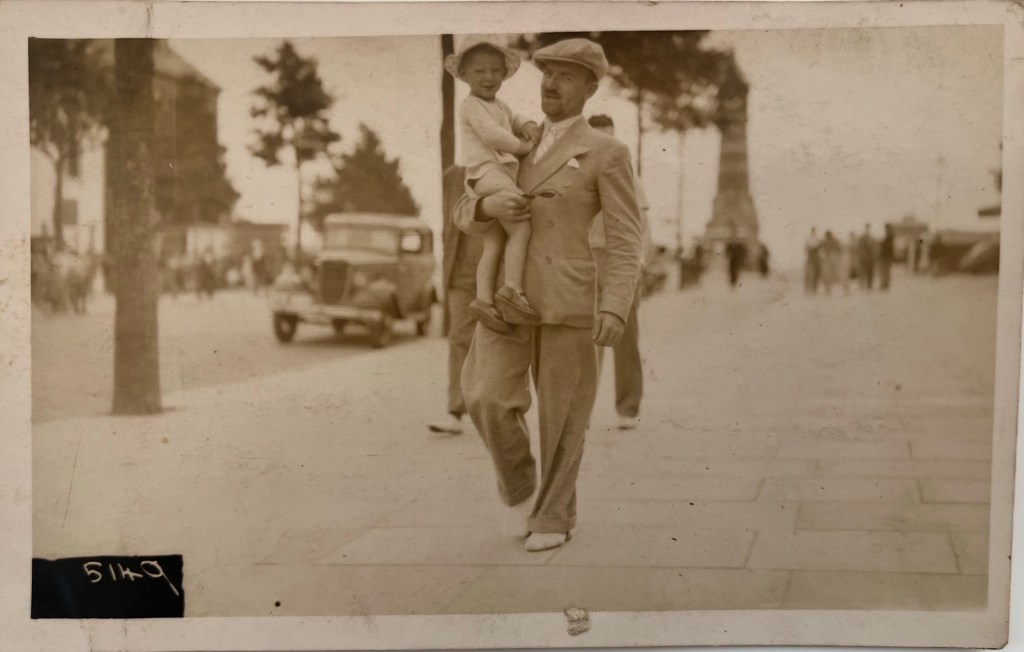
Our grandfather, Bill Stewart, our dad in his arms, sometime in 1935 or thereabouts.

Alan Stewart.

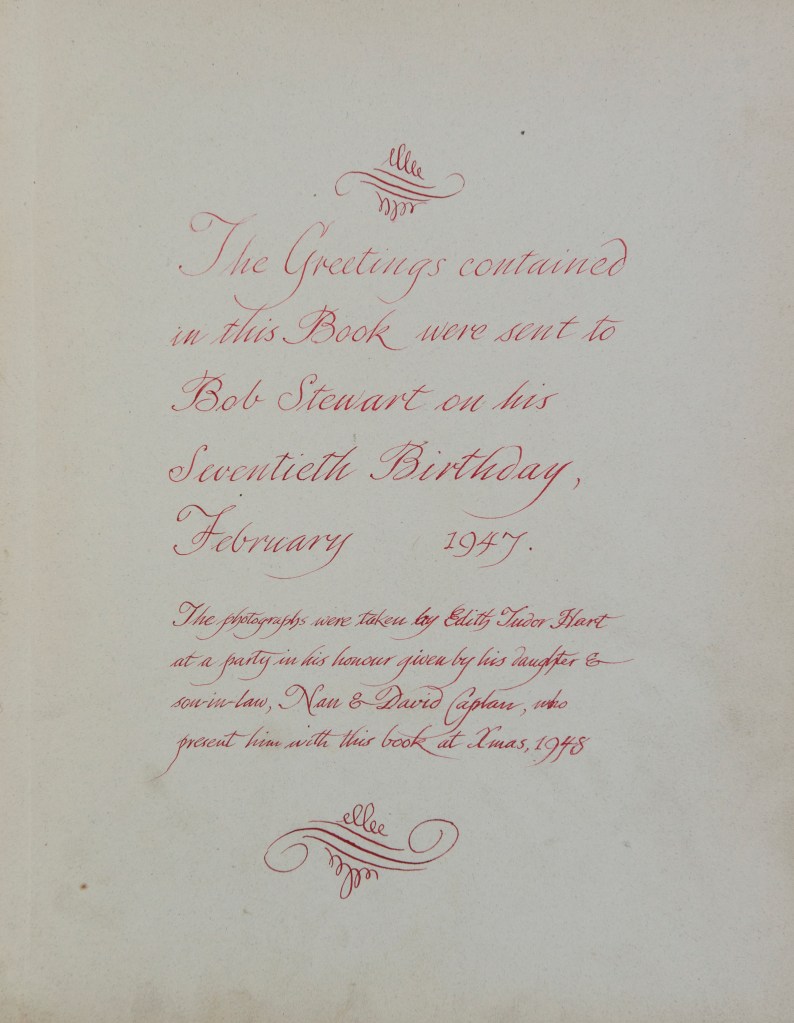
Greetings to Bob Stewart on his 145th Birthday.

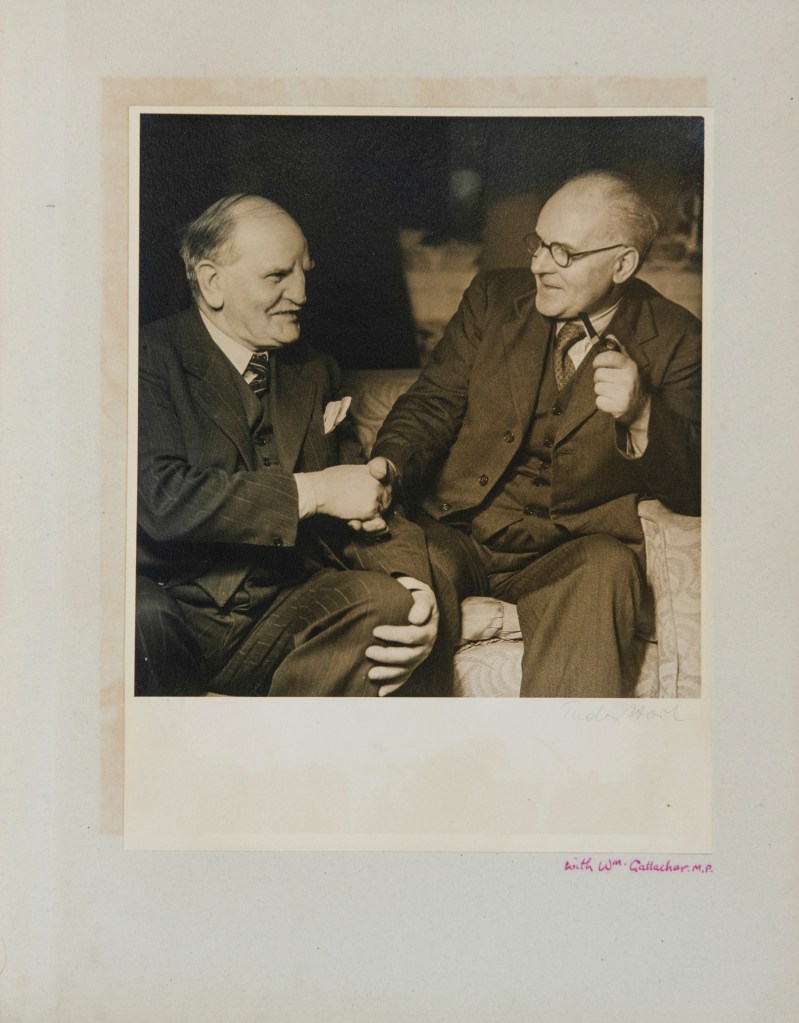
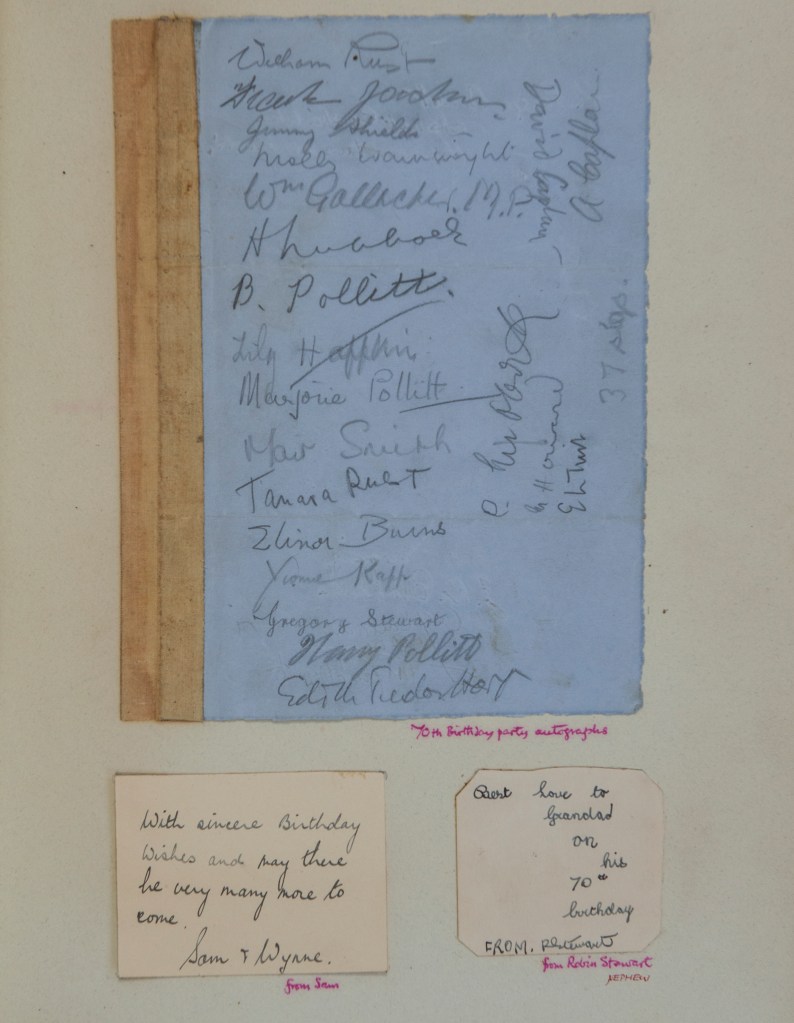
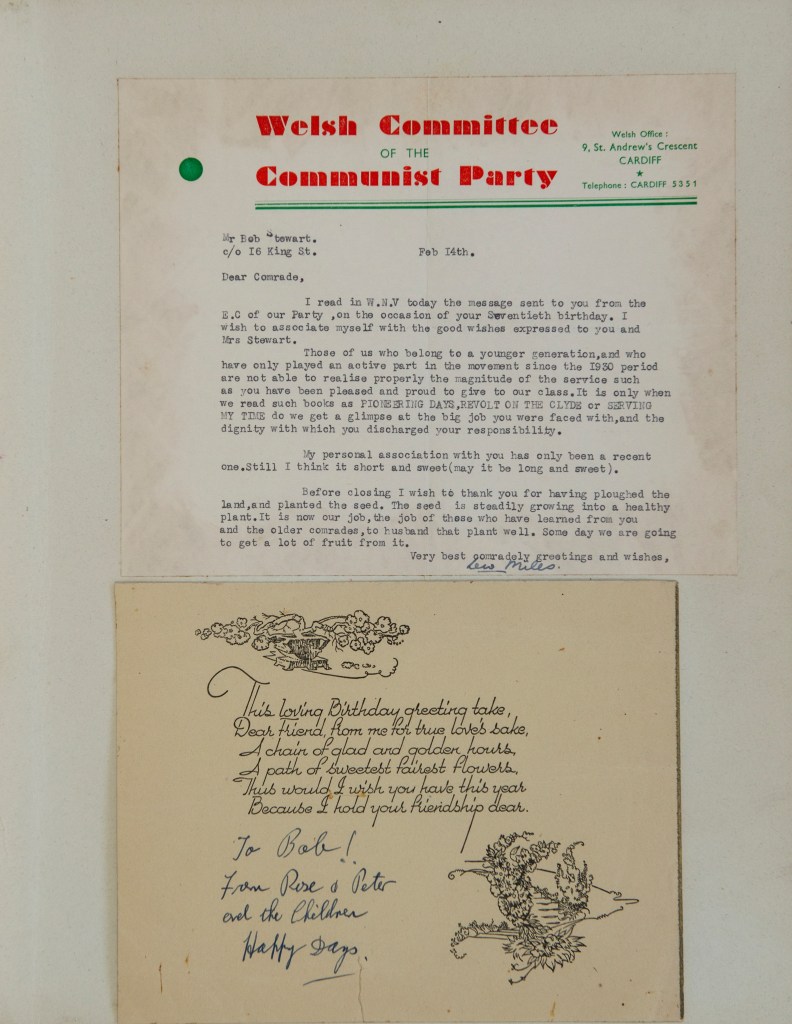
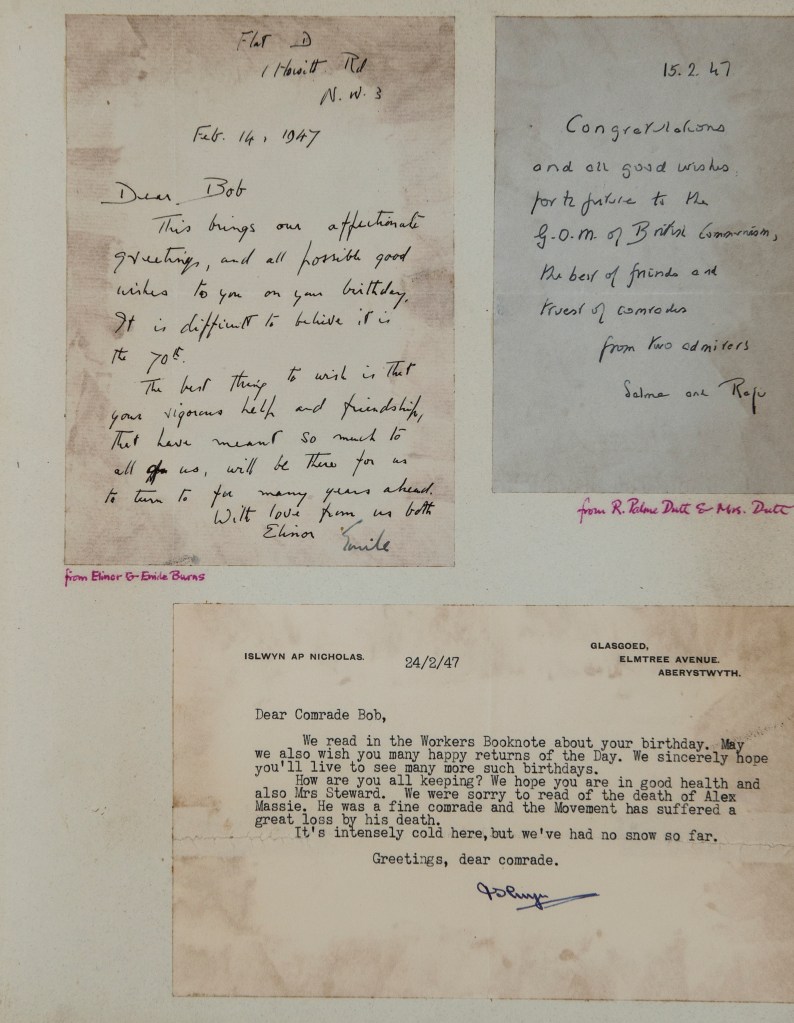
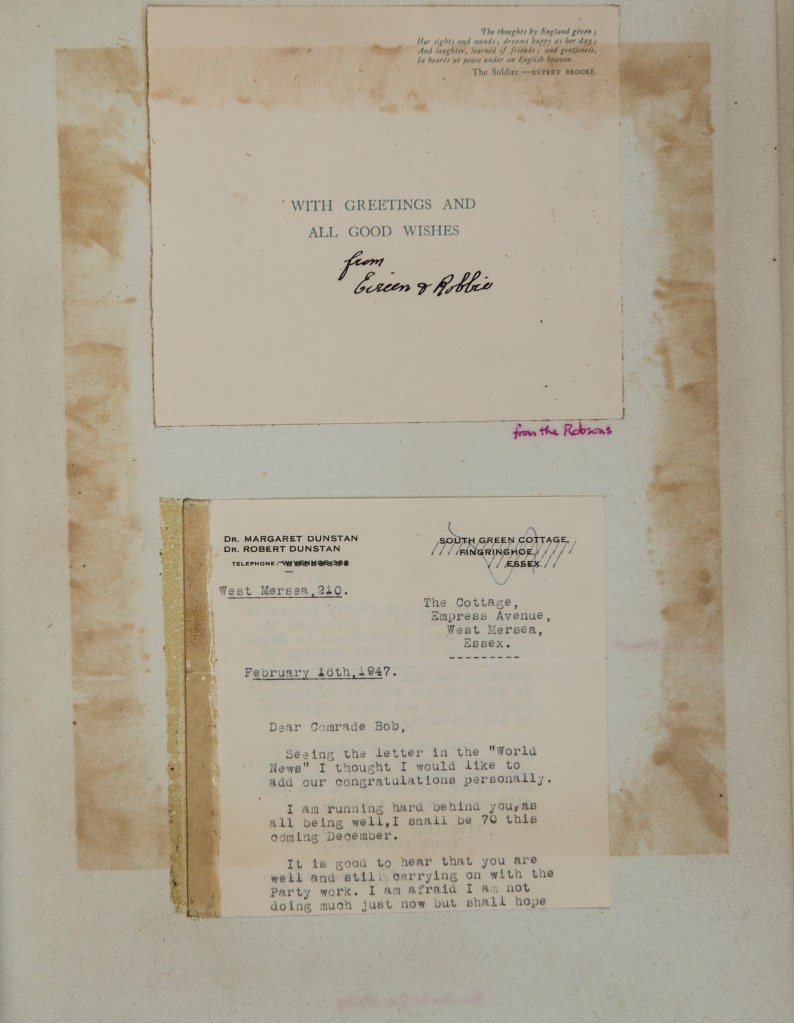
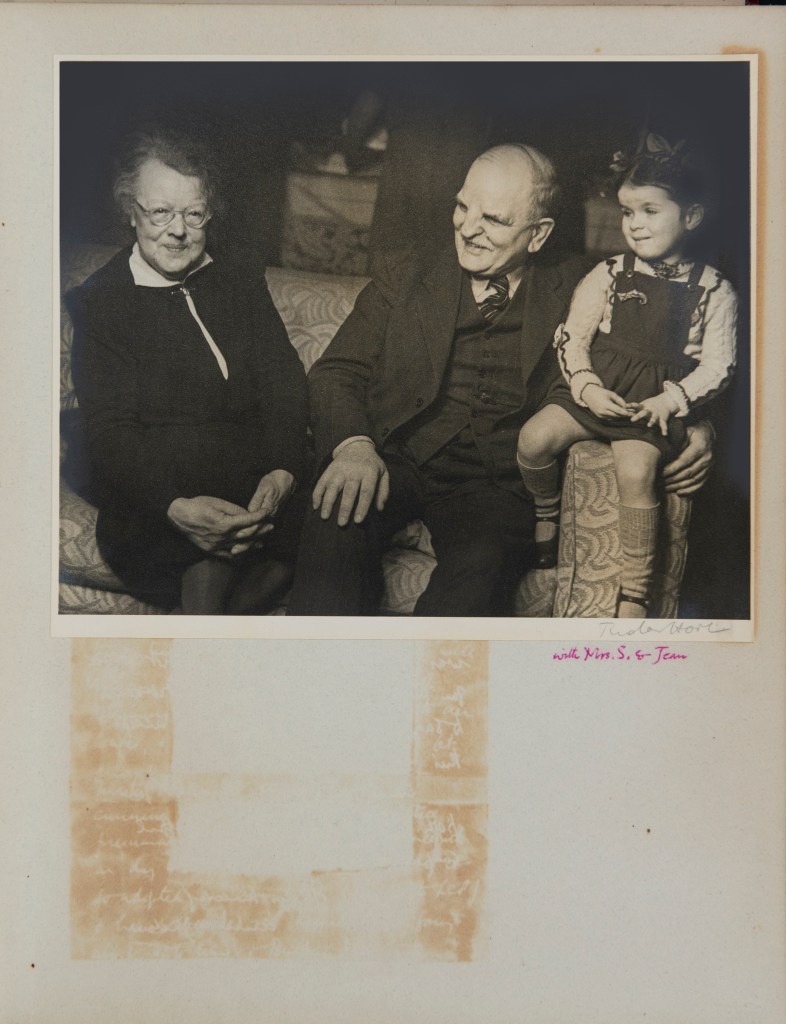
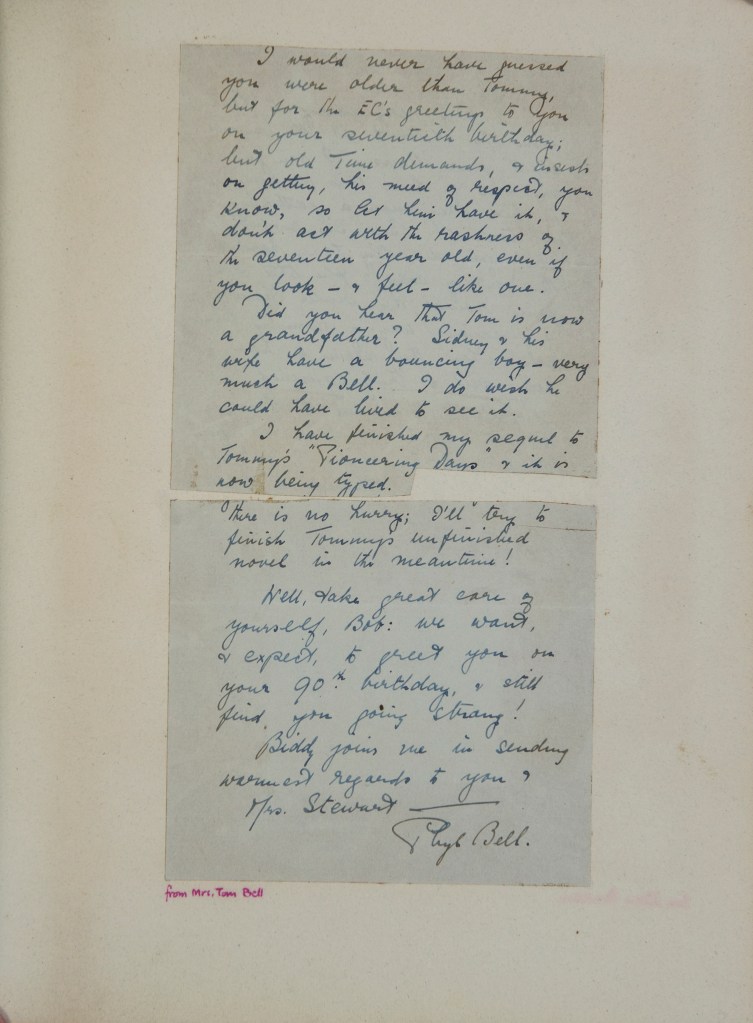
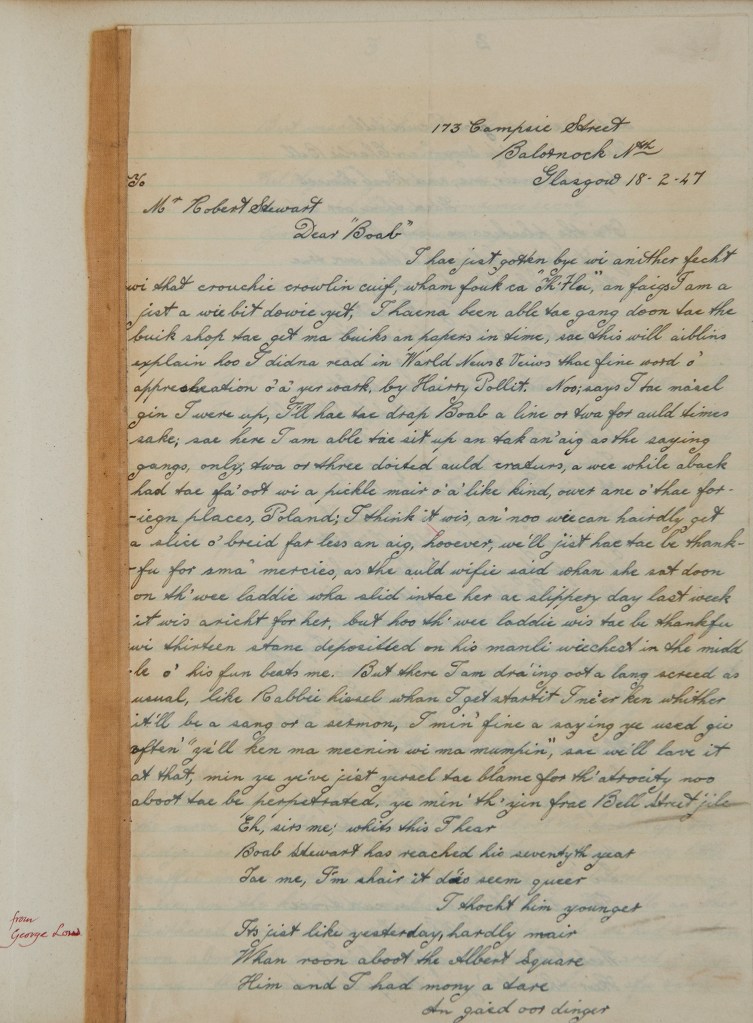
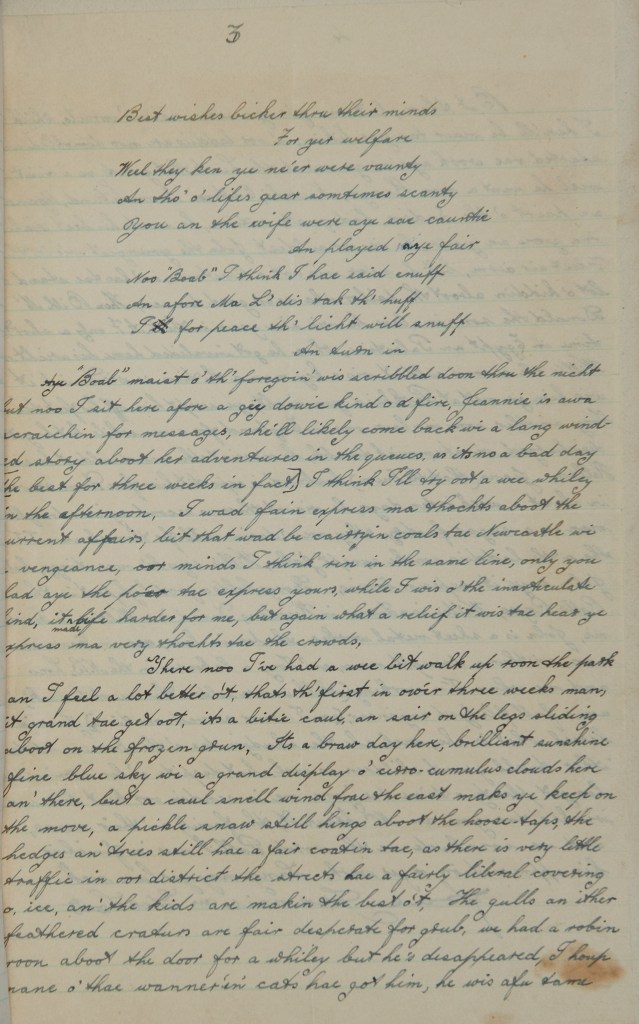
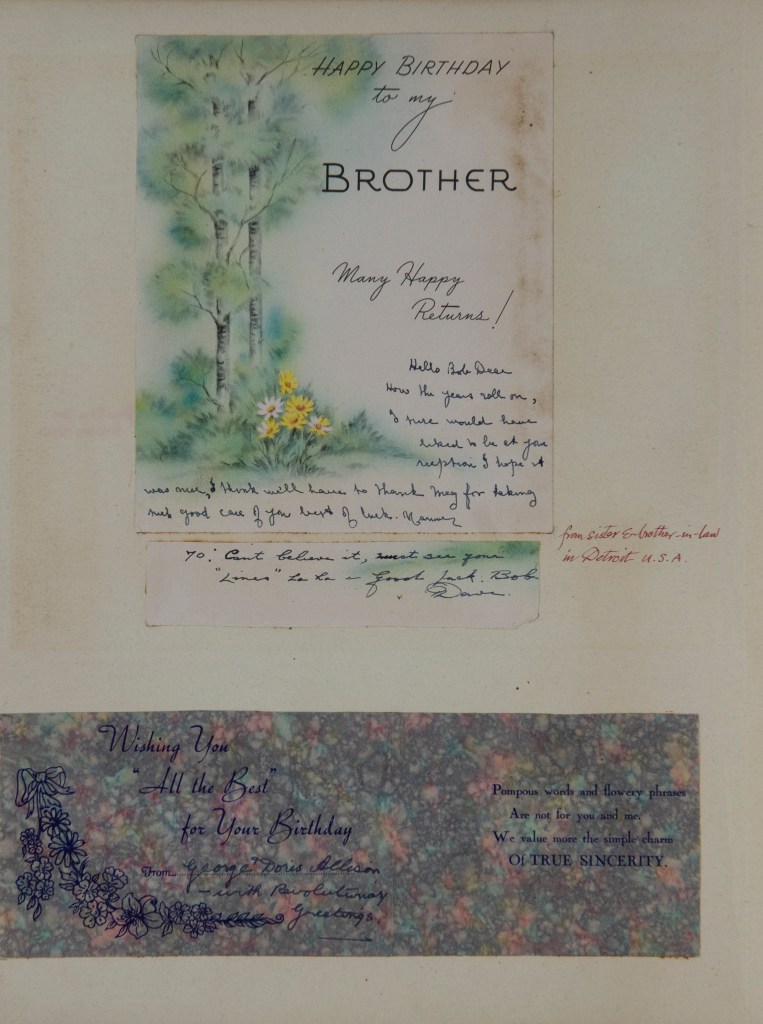
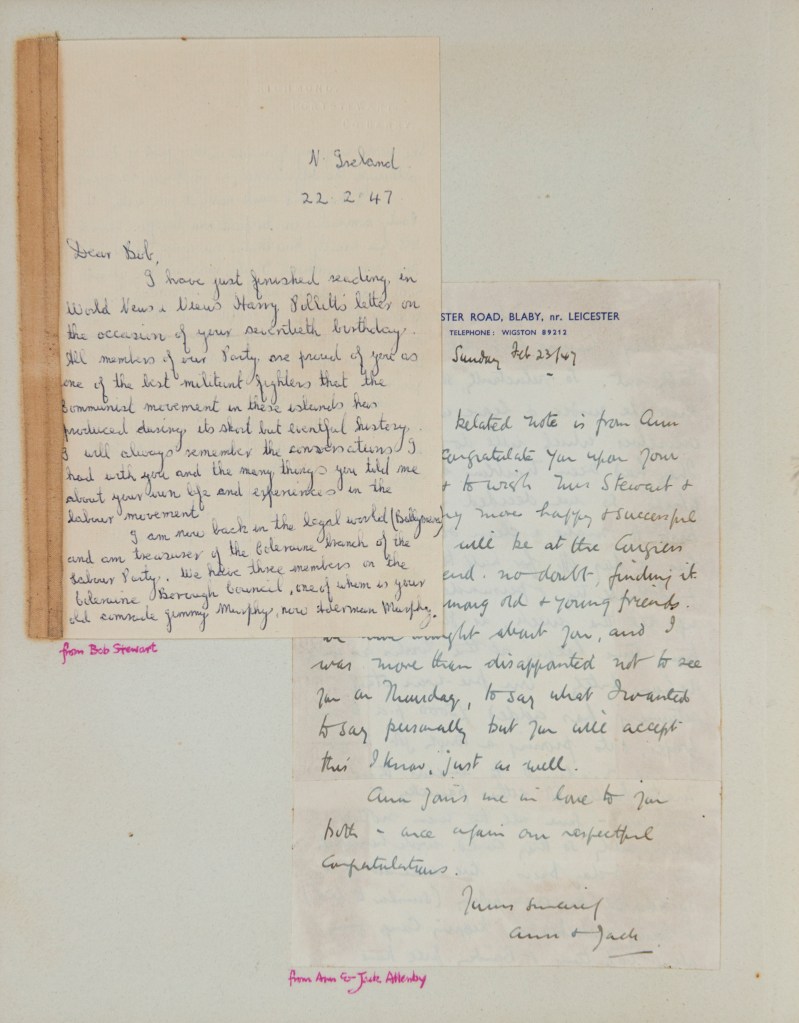
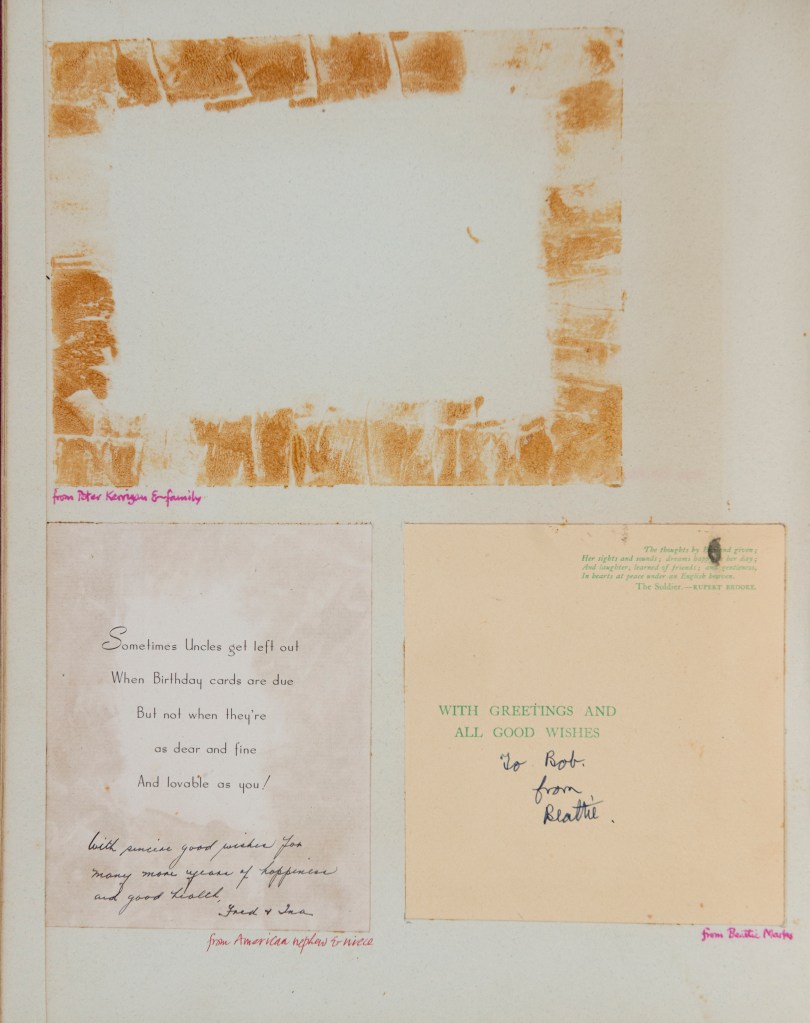
It is the 145th anniversary of Bob Stewart’s birth and to mark the occasion I’d like to present some photographs of an album commemorating Bob’s 70th birthday in 1947. The album was put together by his daughter Annie ‘Nan’ Caplan and contains photographs taken by Edith Tudor-Hart which have rarely been seen. Tudor-Hart was a documentary photographer in the 1930s who was recruited by the Soviets as a spy. Her nephew, Peter Stephan Jungk, directed a wonderful film all about her life called ‘Tracking Edith’ and I cannot recommend it enough. She is also the subject of Charlotte Philby’s book ‘Edith and Kim’ which should be out any day now. Apparently Bob has a walk on part.

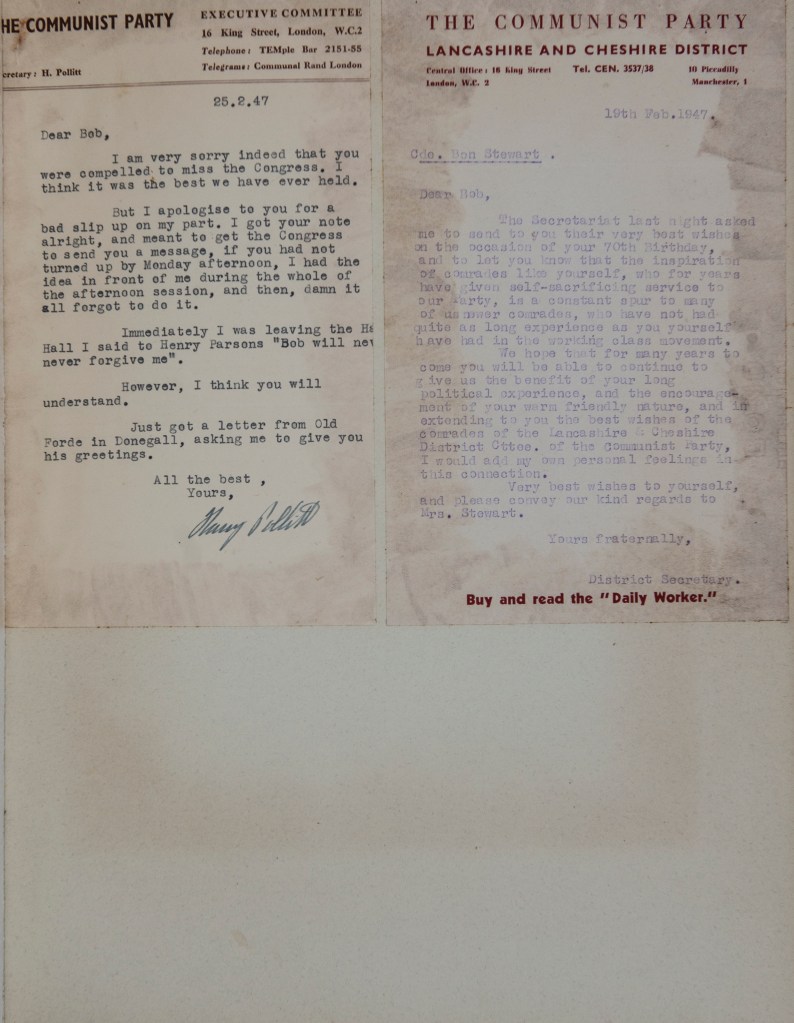
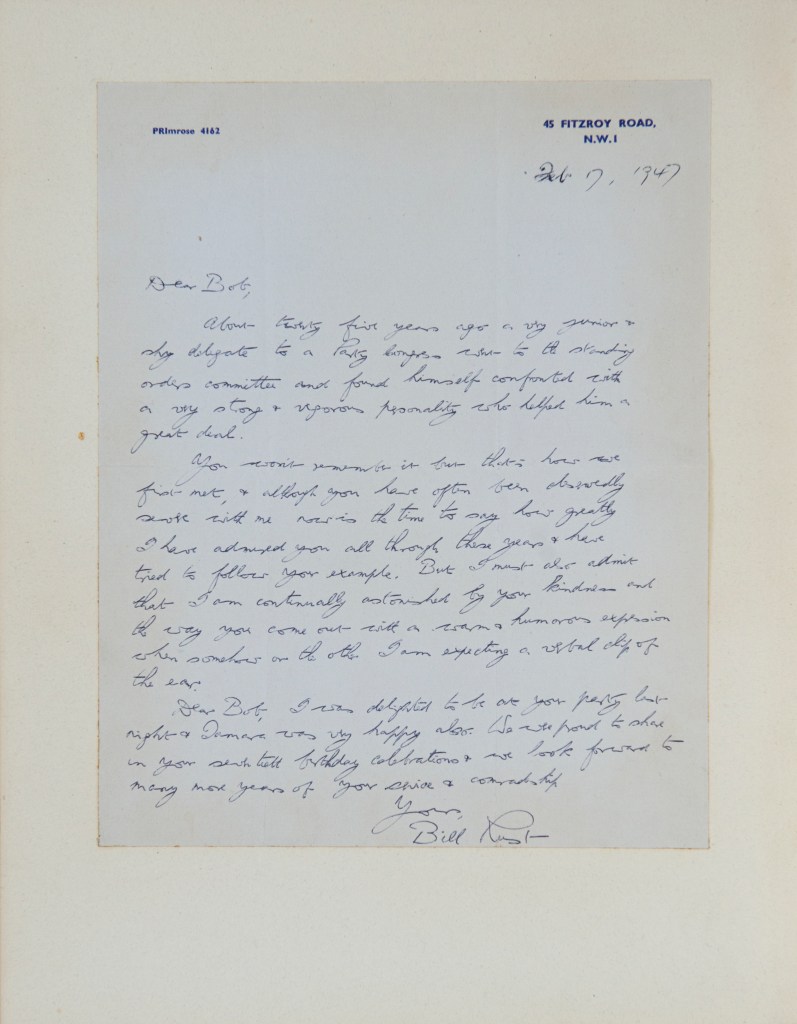
The album contains many letters, cards and telegrams from figures central to British Communism and although most of the information they relay about Bob’s life and career is mainly well known I imagine this is the first time they have been put in the public domain. My brother and I also have similar albums from Bob’s 75th and his 90th birthdays and at some point we may donate all of these to the archives of the CPGB at the People’s History Museum in Manchester but we’d just like to hold on to them for a little longer.

The photographs were taken by my friend Jonathan Turner. He’s an excellent photographer who, when not helping a mate out, focuses on social documentary and portraiture. I am very grateful to him. Please have a look at his work on his website: http://www.jonathan-turner.com

Alan Stewart.

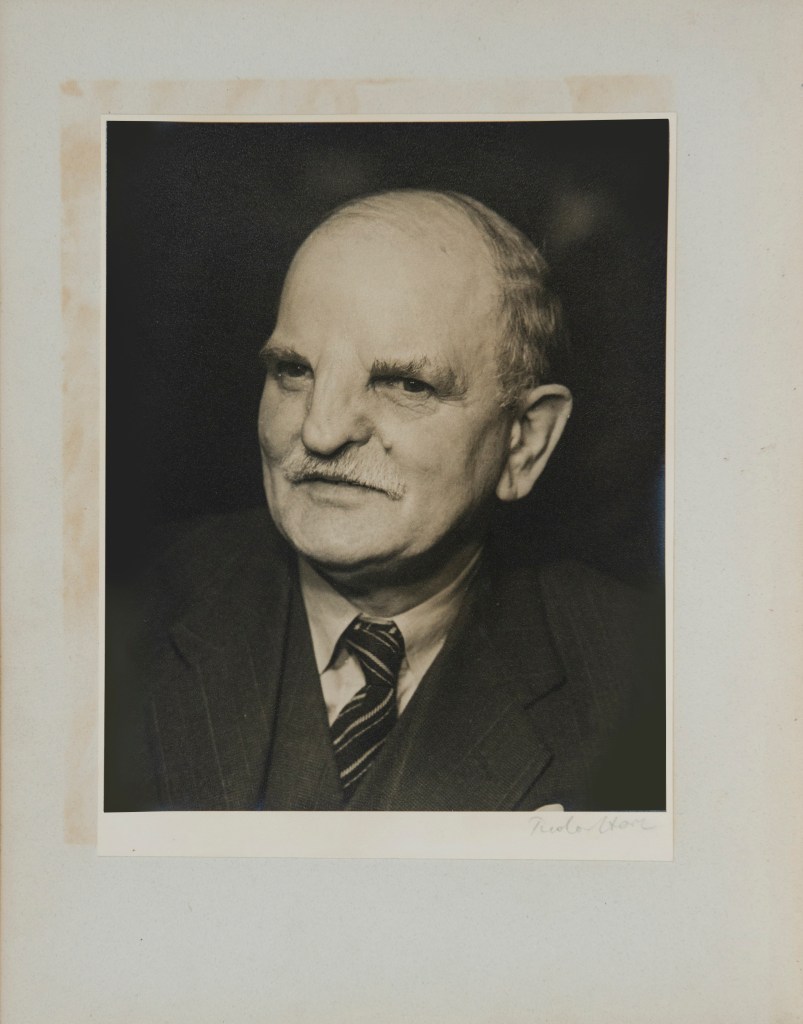
Portrait of Bob Stewart by Edith Tudor-Hart.

Bob Stewart at His Majesty’s Pleasure in Cardiff.

Screenshot of some of the findings from the 1921 census.

The 1921 census, which went online earlier this year, is likely to be an invaluable resource for anyone researching their family history. It has to be said it was fairly easy to find Bob Stewart’s whereabouts on the night it was taken – the 19th June, 1921. My great grandfather was in Cardiff. More specifically in HM Prison Cardiff doing three months hard labour. The relationship to head of the house made me laugh- ‘inmate’. Bob’s occupation is listed as ‘organiser’ and his employer is ‘Communist Party’. However, his place of work was noted as ‘no fixed place’ indicating he was spending much of his time this early on into the CPs existence travelling- something that would characterise the next thirty years. Once he’d got out of the clink of course.

He’d been sentenced to jail for making seditious speeches in Aberdare and Mountain Ash – the most diabolical comments being that miners were treated worse than German prisoners. The hard labour consisted of sewing pillowcases until a prison warder got him turning an old oak prison floor into handmade furniture for the warder’s home. At the end of his sentence Bob had been selected as the Parliamentary candidate for the Communist Party in the Caerphilly by-election – their very first candidate.

This experience is the subject of a highly entertaining chapter from Bob’s memoirs which I’ve reproduced below. Just a few notes on some of the people who make an appearance. Albert Inkpin was the first General Secretary of the Communist Party and Arthur McManus was the first chairman.

Part of the digitised census showing Bob Stewart’s entry.

Chapter 15: In Gaol Again.

In 1921 I was attending the Party’s National Executive in London. It was close to May Day and McManus, who was booked to speak at a May Day meeting in South Wales, said he could not go and asked me if I would like to take his place. “Sure,” I said, “I have never been to South Wales and it will be a new experience.” As it turned out it was.

I went down by train to Aberdare but before reaching there the train stopped at a small station and along the platform came a group of fellows shouting, “Bob Stewart, Bob Stewart!” I stuck my head out of the window and said, “That’s me.” “Can you do a meeting for the Party in Mountain Ash tomorrow night?” they asked. “Yes, I’ll be there.” So, after the meeting in Aberdare I travelled to Mountain Ash. The meeting was in a cinema and was crowded out. As usual at the time, the “splits” were in the boxes taking notes of my speech, but this happened at all meetings so I ignored them. The meeting finished and the local fellows said they were very pleased with the attendance and the effect. The repercussions were then still unknown.

I returned to London, and on the following Saturday, 7th May 1921, came the police raid on the party offices at King Street, Covent Garden, when Inkpin the general secretary was arrested. The raid was made without a warrant, under the Emergency Regulations Act. It was carried out by Detective-Inspector Parker, acting under the instructions, so he said, of the Director for Public Prosecutions.

During the raid all personnel in the office were rounded up from their individual rooms and brought to the general office on the ground floor of the building. The rooms were ransacked and, while this was going on, the homes of the office workers, even those of the girl clerks, were being searched. The police authorities certainly put on all the trimmings to build the raid up into a first-class political scare.

When Inkpin came into the general office and he exploded at Parker for the unwarranted intrusion into private property. “I demand to see your warrant to search these premises,” he said. “I don’t need a warrant,” replied Parker. “I am acting under the Emergency Regulations.” Parker then started to question Inkpin about the publication and sale of the Communist Party pamphlet called The Statutes of the Communist International. “Who wrote the book?” asked Parker. “What do you mean who wrote it?” said Inkpin. “These are the Statutes adopted by the 2nd Congress of the Communist International.” “Where did the books come from?” persisted Parker. “They came from Moscow, from the Communist International,” replied Inkpin. During the interrogation Inkpin again protested to Parker about the manner in which the police were acting, forcing their way into all the rooms in the building, sorting out files of correspondence obviously with the intention of taking them away. But Parker brushed this aside and kept on asking questions about the pamphlet The Statutes of the Communist International. Inkpin continued to answer truthfully this was a record of the decisions of the Communist International which was sent by the International not only to Britain but to most countries throughout the world.

Now Detective-Inspector Parker might have been a good man at detecting crime, but he did not seem to have the elementary knowledge required to comprehend the simple working of an international body. Maybe, of course, he had had his instructions not to try to understand. Anyway, after fifteen minutes of this sham he stopped asking questions and started giving instructions. To Inkpin he said, “I am going to arrest you under the Emergency Regulations Act No. 19. I am further going to search the premises and take possession of anything I think fit under an order signed by the Chief of Police.” He then turned to another detective and said, “Mr Hole, here is the order,” and to “Inkpin, “Come with me.” “What, without a warrant?” said Inkpin. “None necessary,” was the reply and he turned to leave. It was then he spotted me standing in a corner trying to look as inconspicuous as possible, but obviously not succeeding. “Who is that man?” he barked. “That’s Mr Stewart,” said Inkpin. “Get his name and address, and the name and addresses of all the others.” And with that little lesson of how democracy works in this land of the free he turned, taking Inkpin with him, and disappeared out of the door.

The place was alive with police and plain-clothes men. I ran from room to room trying to salvage what I could, but the police ransacked the place, almost everything went, even to the paper and the stencils. There were a number of spare files of our paper Communist and I knew that McManus had some papers ‘filed’ away for safety. I said to the policemen who were carting all the material away for examination., “Here, take these away; they are only in the damned way here. You’ll be doing something useful then.” “We don’t need these,” was the reply, “we have files of them ourselves.” So that saved something. After the raid, in the evening, I went out to try and contact some of the Executive members.  I went to the Corner House in the Strand and luckily, I bumped into a few of them and learned that there was to be a meeting at Bill Mellor’s house later to discuss what we could do under the circumstances. After the discussion, I had an argument with McManus because I said I thought that Mellor was deciding to leave us-to get out. McManus said I was a fool, but I was eventually proved right; William Mellor, despite all his thunder and aggressive revolutionary phrases, was afraid of being on the wrong side of the police authorities, and a short time after left the party.

After the meeting, I was sent to get a lawyer for Inkpin, to Torrington square, to see WH Thompson, a lawyer who was on the left. I found him in a strange way. I was ascending the stairs to his place when a young fellow came running past me. Suddenly, he stopped and said, “Jesus Christ! Bob Stewart!” “The latter’s right,” I replied. “What brings you here?” This fellow had been a conscientious objector in Wormwood Scrubs when I was there, so we wore the same old school tie. I explained the position. He worked for WH Thompson. He said, “He’s not here but I’ll tell you where to find him.  He has gone to see his girl friend,” and he gave me the address. I found WH, explained the position, where Inkpin was- Snowhill Prison- and he assured me that I could leave everything to him. I returned to my hotel in Villiers Street, near the Strand, a good evening’s work done. As I entered two big fellows ‘took’ me, one on each side. “Your name Stewart, Robert Stewart?” one of them said. “Yes, a good Scottish name.” “Well, we want you, we have a warrant out for your arrest.” Naturally, I thought it was in connection with the raid on the party office, but as soon as I got to Cannon Row Police Station I discovered I was booked at the request of the Welsh police for speeches made in Aberdare and Mountain Ash. So, I was stuck in a cell, arrested for sedition. I was interrogated by an inspector, a very clever fellow, to his own way of thinking. “Ah! I know you,” he said. “I have heard you speaking in Dumbarton.” “Up on the rock?” I asked. “Sure, there was always a big crowd there.” There was never a meeting on Dumbarton Rock in all history, so I continued to kid him but he twigged it and finally closed up.

Next day I was taken to Wales, to the Abercynon Gaol where I rested the night, and the day after I went before the magistrate. He was an old fellow, sitting at his desk. “Your name Robert Stewart?” he asked. “Yes, but what’s going on?” I replied. “You’re in Court.” “What Court? Only you, me and a policeman?” “Yes, and you are remanded to the Assizes.” And that was the strangest court I was ever in, but then the Welsh do many things in strange ways. Back I went to the cell and the policeman said, “I want to take your fingerprints.” “Not mine, I am no criminal, I draw the line at that.” “We’ll see about that,” he said and went off but he did not return for the fingerprints.

In due course I was taken to the Assizes at Pontypridd. A bunch of snuffy magistrates, local publicans and others of that ilk. The prosecutor was a little fellow called Lloyd. The charges were seditious speeches. Little Lloyd had a real go. He built up a terrible case against me, and said I should be ashamed to call myself a British subject, I was an agitator coming into the district in troublesome times stirring up strife and hatred, saying the miners were being treated worse than German prisoners and that Jimmy Thomas was a traitor to the working class- which appeared to be sedition, I don’t know why. In passing I may add that the selfsame Mr Lloyd was some time later pinched for embezzlement , but I suppose that that would not trouble his loyalty to Britain. The witnesses said their piece. The local secretary, who was a canny lad named Foot, was very good. But the other party witness, Billy Picton, undid the good work. Billy was one of the aggressive type; good in an industrial struggle, but not much use in a court of law. Asked about my reference to miners being treated worse than German prisoners, he replied, “Well, it’s bloody true, isn’t it?” – not very helpful in a court in which the scales have already been loaded against you. In the long run the trial came to an end. The magistrate said a lot of wise words, then asked if there was anything known about a past record. Innocent like, of course. Then out came the dossier. Tried, court-martialled; tried, court-martialled, on and on. When he finished reading out the record, I looked at him and said quietly, “A good record.” The magistrate said that this sort of thing must not be allowed to continue, it would not continue, and so on. The sentence would have to be appropriate to the offence. I would be made an example. The sentence was three months’ hard labour. Three months’ hard. You can do that, as the old lags say, on the door knob.

Well, there I was inside again. In Cardiff Gaol. Interesting, because Cardiff being a big seaport the gaol is very cosmopolitan- men from all nationalities are inside and going around the ring at exercise you saw all colours and all kinds of men. For the first three days I sat sewing a pillow case. That was my hard labour, putting in stitches and pulling them out again. Of course, reading the Bible in between. This was the compulsory reading, but a very valuable book for left wing propagandists. One day the artisan warder came to see me. “What the hell are you sewing pillowcases for?” he demanded. “You’re a carpenter, aren’t you?” I told him what I thought about his pillowcases, his prison and his magistrates, but he only laughed. He turned out to be a good sort. He didn’t like clergymen and that was an instant bond between us. The prison chaplain at Cardiff and I could not get on. Charlie Chaplin we called him. This was because of the way he walked, not because of his humour. One day in my cell he said to me, “Mr Stewart, in cases of your kind, it is the wives and children I am sorry for.” I said, “Don’t you try telling my wife you are sorry for her, because if you do you will end up being sorry for yourself.”

The artisan warder stopped the pillowcases lark and took me down to the workshop. There was method in this because part of the prison was being demolished and an old oak floor was being scrapped. “Can you do anything with this, Jock?” he asked me, showing me a bit of the wood. It was a good bit of oak. “You could make some nice things with that,” I said. And I did- bookcases, hallstands, cupboards, small stools and many other pieces of oak furniture found their way into the warder’s home from the floor of the Old Cardiff Gaol. I am quite sure the government got none of it.

One day the warder gave me a shout when I was working. “Come here, Jock, I have a job for you.” So, I picked up my tools. “No, no,” he said, “all you need is an oil can. We’re going round to the execution chamber to oil the joints of the hanging apparatus.” Two men, sentenced to death for murder, were to be hanged the next day. “I’ll not oil your bloody hanging apparatus.” “What! You not in favour of hanging?” “Oh yes I would hand prison warders at a bob a time,” I said; “the trouble is they usually hang the wrong people.” “Well come and see how it works,” he said. So off we went to the execution chamber. He oiled the necessary places then gave me a demonstration of the proper way to operate it by pulling the lever and pointing to the drop. He seemed to take delight in it.

One day towards the end of my term, in came Jock Wilson, the Welsh Party Organiser, to see me; well, really to tell me something- that I had become a parliamentary candidate because Alfred Irons, the MP, had died. A by-election was pending at Caerphilly and the party had decided to contest their first ever parliamentary election as a party and I had been chosen as the candidate. Well, anyway, being in gaol, I couldn’t speak back. There had been quite a barney with the prison authorities. A report in The Communist appeared as follows:

We had expected difficulties to be put in the way of Robert Stewart’s Candidature in the Caerphilly mining constituency. They have already begun, and the Prison Governor has taken a hand. We wished to know when Stewart would be released for the purpose of the election campaign.

The party had sent a letter to the Governor of Cardiff Gaol in the following terms:

Dear Sir,

I should be very much obliged if you would kindly let me know on what date Robert Stewart, the National Organiser of the Communist Party, whom we understand to be present in Cardiff Gaol, will be released.

Yours faithfully

(signed) Fred H. Peat, acting secretary

Back came the reply:

HM Prison,

Cardiff

23rd July, 1921

In reply to your letter of inquiry it is regretted that the information asked for cannot be given.

I am your obedient servant

(signed) HJ Perwin

One night before the end of my time I was pleasantly surprised when the head warder came and asked if I would like to be released a day early. “Fine,” I said. But really the authorities were afraid of a demonstration, because when I had been taken from Pontypridd to Cardiff Gaol to start my sentence there was a bus load of policemen in the front and a bus load of policemen behind all the way. Certainly a good few tons of policemen to hold mine nine stones of communism. No doubt they were also taking no chances when I was leaving.

Out of the gaol, I went to Alf Cook’s house to discuss the political situation, and I had just arrived when a telegram was delivered from Moscow informing us of the death of Bill Hewlett in a monorail accident in Russia. It had been a bad accident and Jim Stewart of Lochgelly was also injured. So, I had the sad task of making arrangements for someone to break the news to Mrs Hewlett.

The Death of V.I. Lenin.

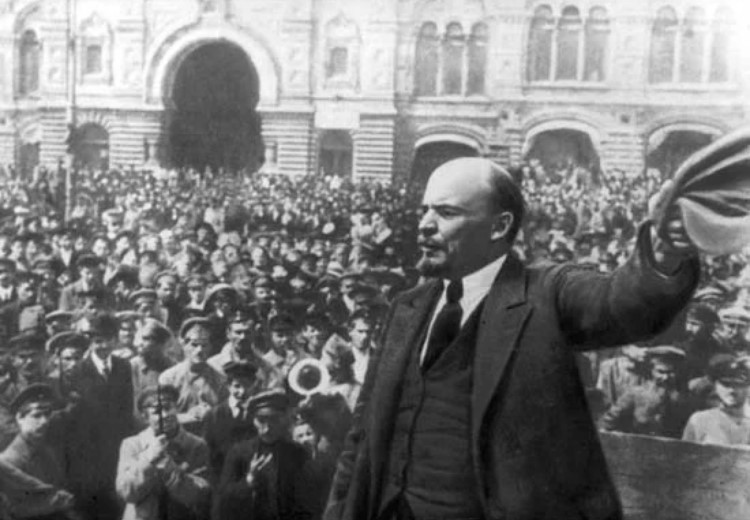
Lenin speaking in Petrograd 1917

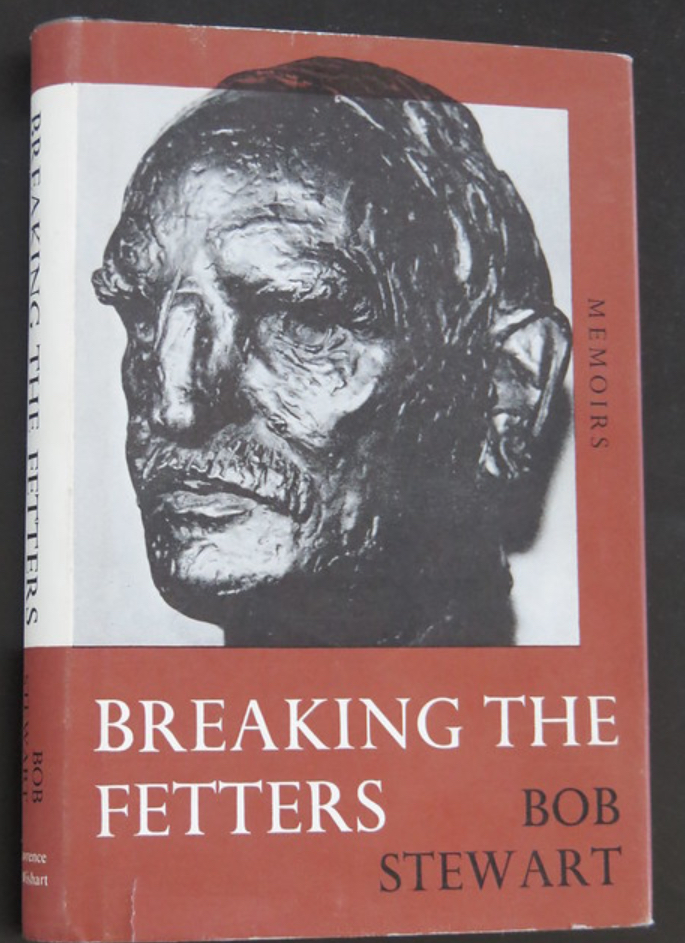
Today is the 98th anniversary of Lenin’s death. At that time, Bob Stewart was in the Soviet Union working as a member of the Executive Committee of the Comintern. In this role he accompanied Lenin’s body on its journey from Gorky to Moscow and also stood, alongside Georgy Chicherin the People’s Commissar for Foreign Affairs, as a guard of honour during the lying in state. Today’s post presents two pieces by Bob about Lenin’s passing and his funeral. The first article, ‘In Memory of Lenin’ appeared in Pravda shortly after the Bolshevik leader died and the second, ‘From Ch20: Moscow and the Comintern’ is an extract from Stewart’s memoirs ‘Breaking the Fetters’ published in 1967.

Alan Stewart.

In Memory of Lenin.

Front page of Pravda announcing Lenin’s death. 22nd January 1924.

On the eve of the anniversary of the Petrograd massacre of 1905, the proletariat of the world has suffered a cruel blow; the death of our dear Comrade Lenin has removed the greatest figure in revolutionary history since Marx left the field of struggle. It is hard to reconcile oneself to the idea that the voice of Comrade Lenin will no longer sound in our revolutionary councils. Lenin has become for us the absolute ‘symbol’ of communism and the proletarian revolution. No one was more hated by the enemies of the working class than our beloved leader, and no other leader and teacher of the working class ever commanded such power and influence throughout the world. Since 1917 his name has been, as we say in England, a household word. His revolutionary writings and theoretical works have changed the character of socialist organisations in Great Britain and led them out of chaos onto revolutionary lines.

In this hour of great grief our profoundest sympathy goes out to our Russian comrades and to all the peoples of the Union of Soviet Republics. Now that our great leader, Comrade Lenin, can lead us no longer, his works and teaching, his revolutionary vigour and unshakeable realism must guide and inspire us in the revolutionary tasks which confront the proletariat of the world.

May the memory of Comrade Lenin live forever!

Long live the Union of Soviet Republics!

Long live the international proletariat!

Long live the Communist International!

Robert Stewart

Member of the Executive Committee of the Comintern and the Central Committee of the Communist Party of Great Britain.

Pravda, January 24, 1924.

From Chapter 20 of Breaking the Fetters: Moscow and The Comintern.

Transport of Lenin’s body to the Gorky railway station. Bob Stewart will be somewhere in amongst the crowd as a member of the Executive Committee of the Comintern.

“…It was during my time in Moscow that a great tragedy befell the international working-class movement.

Lenin died in January 1924. I remember this well because I was then a member of the Executive Committee of the Comintern which was summoned immediately: firstly, to hear the announcement of Lenin’s death and also to make all the necessary arrangements for the funeral.

Harry Pollitt came over immediately from Britain to represent the British Communist Party at the funeral. It was desperately cold and both Harry and I felt it very much. It was forty degrees below zero. Fires were kindled in the streets and I remember seeing the militiamen’s horses going over and sticking their noses in the fire to melt the icicles. We were as cold as the horses but at least we could pull down our fur caps and peer out occasionally to see where we were going.

I was one of the delegation of the Comintern chosen to go to Gorky, where Lenin had died, to accompany his body back to Moscow. We left by train from Moscow at about 5am and then travelled by peasant sleigh from Gorky Station to Lenin’s house. From the station you could see the house down in the valley, but the road to it so twisted and turned that even by sleigh it took us a long time to reach it. At the house Lenin was laid on a bed wearing an ordinary Red Army man’s uniform with the Order of Lenin pinned to his breast. The house was full of people: leading members of the Russian Communist Party, of the Comintern, delegates from the factories and the professions, and amongst them all wandered a big black cat who had been a very great favourite with Lenin.

The body was placed in the coffin and carried to the station en route for Moscow. Leading men from the party and the factories took turns to carry the coffin. On the journey, at every station, on the way, thousands of people waited to see the train pass. I do not think I ever saw so many tear-stained faces in my life. It was a very moving demonstration of the love the ordinary people for this great man.

When we got to Moscow I realised for the first time in my life what a mass demonstration really meant. Not a demonstration that was called, but one that came. Every conceivable foot of space was occupied. A great mass of people followed the coffin as it was borne from the station to the Dom Soyus (Hall of the Trade Unions), and from every side street and opening, mass upon mass of people converged with the main stream or waited their turn to do so. At the same time the digging was proceeding on the site of the mausoleum, so there was blasting and picking going on. All these streets were crowded with sad-eyed mourners. Every shop and hotel and all central places were ordered to keep open twenty-four hours a day so that people overcome by the cold could go in and thaw out.

Moscow has witnessed many varied scenes in her many centuries of troubled history; her ancient records must be filled with historic incidents, but never had such scenes been witnessed as during the days of Lenin’s lying in state and funeral. The Dom Soyus, a former palace of nobility, once the setting for the glitter and pomp of the aristocratic Tsarist circles, was the place where Lenin lay. Here his own people, the working masses of Russia, could pay their last tribute to the mighty leader of the Russian working class and the world proletariat. “Our Comrade Lenin” everyone said, as if he were a father or a brother.

For four days and nights, for mile after mile, people queued four abreast to pass the bier on which Lenin lay. Along with Harry Pollitt I took a turn on the guard of honour. I remember I was with Chicherin. The bier was surrounded by wreaths of flowers of every description, sent from all over Russia and indeed from all over the world. The magnificent hall with its white marble walls was a blaze of light, contrasting with the deep varied hues of the flowers, and on the balcony the band of the Red Guards played music befitting such a solemn occasion.

Delegations from all over Russia streamed into Moscow, joined the endless queues, and placed their wreaths as they passed the bier. But there were no kings or queens, no aristocrats and their ladies, no great admirals or field marshals with glittering medals. Only the endless stream of workers and peasants, soldiers and sailors with their wives and families. The queues never seemed to get less. Over a million had passed the bier and still the queues remained. It had been decided that on Saturday the doors must close at 12 noon. But on Saturday afternoon there were still hundreds of thousands of people waiting with banners and wreaths, still train after train arrived, pouring the delegations into Moscow from north, south, east and west. Every minute messages from all over the world came, telling the world-wide grief at the passing of this great working-class leader. Certainly, no king, no emperor, no bloody tsar has been honoured as Lenin, the leader of the world working class.

At 7am on Sunday came the final parting. Around the coffin stood the leaders of the Russian Communist Party and the Communist International, and with them, keeping her last vigil, was Krupskaya, Lenin’s wife and constant companion during thirty years of struggle. Lenin’s body was borne to the Red Square. As the coffin was raised the orchestra wailed the funeral march. After this a moment’s silence, then the International burst out, strongly and boldly sung. I thought then, this is the answer to the enemies of Leninism whose death was rekindling the hopes of new triumphs for imperialism. this is the answer of Lenin’s pupils, the Russian workers and peasants.
As the coffin was carried into the streets, crowds formed behind it. Leaders of the Party and trade unions took turns to shoulder the coffin along the Kremlin walls to the centre of the Red Square where the raised tribune was placed. The people filed past in millions until 4pm. Then silence just before the cannons crashed out the salute with a roar which could be heard in every corner of the world; factory sirens in every Russian city and village took up the salute; men, women and children stood still in silent homage. In every country throughout the world the workers paid their last respects to a great leader, who from small groups of Marxists had led the Russian workers forward to the formation of a mighty Communist Party and a mighty workers’ Republic and had laid the foundation by his leadership for a mighty Communist International.

The coffin was carried into the Mausoleum, Lenin’s final resting place. Queues formed again to pass the bier. It went on all night, all the next day and every day since. the years have passed and still the Russian workers and peasants and the visitors to Moscow from foreign lands pass the bier to pay homage to Lenin, the great working-class leader whose genius guided the people of downtrodden Russia and millions far beyond it, to break their chains and march to the not-so-distant communist society.”

David Graeber 1961-2020

“The ultimate hidden truth of the world is that it is something that we make, and could just as easily make differently.”

We admired David Graeber immensely and cannot let the first anniversary of his death pass without remark. His books ‘Debt’ and ‘Bullshit Jobs’ are essential and the quote above strikes us as fundamentally important and true. He is much missed.

Short Notes on South Africa and Racism

As I explained in the previous post I had been putting off reading Bob’s memoirs for quite some time fearing they would be the grim ramblings of an old tankie. Thankfully, he turned out to be very good company and an early indication of this occurred when he recounted his experiences in South Africa. Shortly after he married his wife Margaret in 1902 he was looking for work and finding very little. He heard of opportunities out in Pretoria and Cape Town and set out for a new life. His first night in Pretoria marked his experience of the whole country.

“I was out with my two pals, Henderson, the fellow who had sent me my fare, and another called Scott, who had also came from Dundee. We were walking along the street when we came to a junction and met some Africans coming up the other street. They were big fellows and going on quietly, minding their own business. Suddenly, Henderson, who was a quite a small fellow, about five feet three inches tall, lashed out with his boot at these Africans and kicked one to the ground. I reacted by taking a swing at him and clouting him on the jaw, then demanded to know why he wanted to kick a man like that. He gazed at me in amazement…I got a lecture on how the black man must be kept in his place and all the blah blah that we are so familiar with at the present time. But the lecture had no effect on me. I could not understand the line of reasoning…”

The racism in South Africa disgusted Bob as he explains, “I very soon discovered that the colour bar in South Africa was not only an idea in some people’s minds. It was a way of life.” Segregation- even down to separate black and white temperance lodges- he regarded with horror. The ‘present time’ he talks about was the late sixties where growing opposition to apartheid, the Civil Rights movement in America and the debates around race relations in Britain were increasingly taking centre stage. Bob’s reaction to his former friend’s behaviour was instinctive and right. He deserved that clout. I admire that Bob’s beliefs were somewhat ahead of their time and consistently held throughout his life. Remember, this took place in the first decade of the twentieth century. In the year after Bob wrote these words Enoch Powell made his ‘Rivers of Blood’ speech and, as dangerous and damaging to the country as it was, I’m heartened that an ailing man in his nineties would still have regarded the ideas behind it as so much ‘blah, blah.’

Sad to say, as I type these words the day after England’s defeat in the Euros, after witnessing some of the racism of some ‘fans’ on the streets and online, there is still a very long way to go.

Winston Churchill and the Evils of Drink

Despite Bob Stewart – the communist spy being a background presence throughout my life I never once took my copy of his autobiography ‘Breaking the Fetters’ off the shelf and read it until my mid forties during the first COVID-19 lockdown. To be honest I’d been reluctant to tackle it for a long time fearing an unreadable droning of a stern and unrepentant Marxist-Leninist full of words and phrases that I still don’t fully understand like ‘surplus value’ and ‘commodity fetishism’. I’d imagined the kind of person who, just at the point when everyone wants to leave a three hour meeting, starts bringing up endless points of order while everyone else coughs and sighs while dying inside. It was a surprise and a relief to find that spending a few hours with him, through the years, through his printed words was, by and large, a joy. I found someone with a deep sense of justice, of compassion and who possessed a sense of humour as dry as the bar at the temperance movement’s Victory Lodge. 

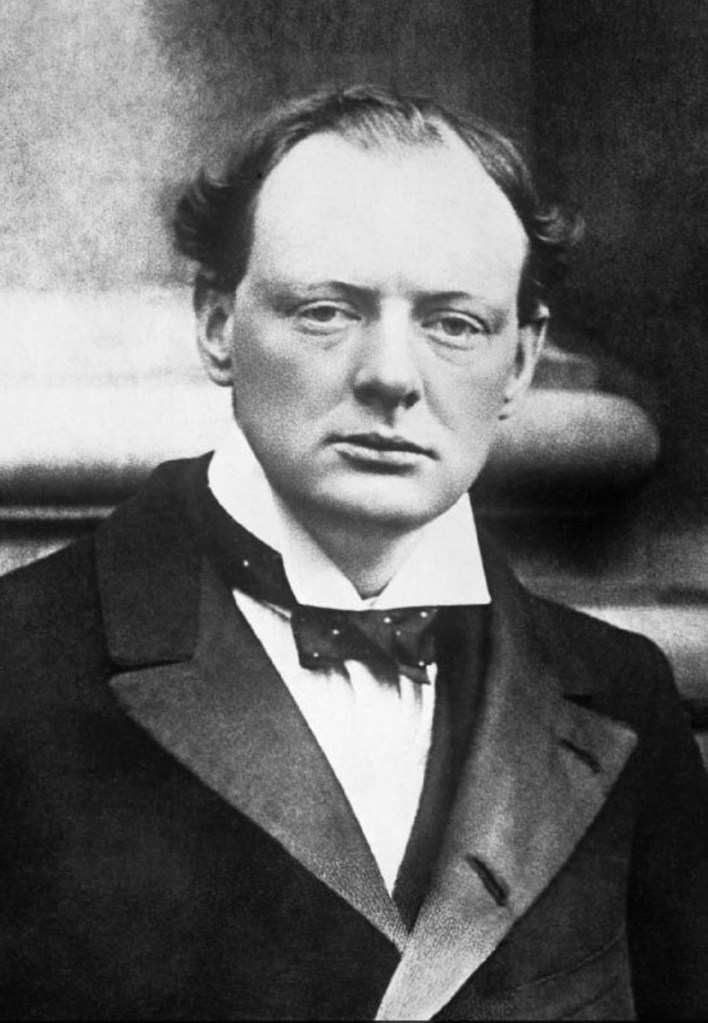
A highlight was Bob’s encounter with Winston Churchill early on in the future Prime Minister’s career. Surreally, so many years after his death, Churchill looms larger in our national consciousness now than at any other point in my lifetime. Towering historical figure he may be but he’s now revered in a way he simply wasn’t in his own time. The heavy jowelled, bulldog appearance synonymous with British grit and determination in the face of the enemy to those convinced they fought them on the beaches even though they were born in 1963 and the closest they’ve got to combat was watching ‘The Dambusters’ endlessly just because you can’t say the dog’s name these days. Voice any slight criticism of the Harrow and Sandhurst alumni and his conduct regarding Gallipoli, or striking miners in Tonypandy or famine in Bengal is tantamount to treason. There’s a whole generation of people out there who believe that the scene in ‘Darkest Hour’ where Gary Oldman in bald cap and fat suit is riding on the London Underground and a representative cross section of the population travelling with him offer him their unanimous wholehearted emotional support is literally true. But it wasn’t like that. It never is. Whole nations rarely take serving politicians to their hearts- they cause too much damage on the way. Watch the footage of crowds at Walthamstow Stadium booing the great man while canvassing for votes in the general election that followed our victory in the Second World War. Look at how decisively the electorate booted him out that year. Churchill on the 5th of July 1945 represented a return to the old way of life and he was comprehensively rejected.

Whatever your views on him however, there is one pillar of Winston’s appeal that is ingrained into the British psyche– his herculean capacity and tolerance for the grape and the grain. He was, by all accounts, a sot. One of the greatest drinkers of the twentieth century. If you locked Oliver Reed, Peter O’Toole, Richards Burton and Harris and, oh, let’s say Dylan ‘Drink Canada Dry’ Thomas together with the nation’s favourite Prime Minister in the Coach and Horses overnight I know which one would I would bet on being the last one standing when the owner came to open up in the morning. It wouldn’t be the actors and it wouldn’t be the poet. Churchill would still be there pouring himself a whiskey mouthwash and ignoring the smoking ban. So, when my great grandfather met Churchill for the first time in 1908 they were not only political opposites– the one being an advocate for the cause of the working class, the other a patrician born into the highest levels of the aristocracy- they were divided on what Bob considered the most moral question of the time – the production and sale of alcoholic beverages. The temperance movement had got Bob early and it was the damage that drink caused in working class communities that most concerned him.

Bob had recently returned from South Africa and his miserable experiences in Pretoria and Cape Town cemented his wish to fight the exploitation of ordinary working people and so he decided to go into politics full time. Up to this point he writes that his life had, “consisted of finding a job, trying to keep it, trade union work, organising in the temperance movement, speaking and debating on radical platforms and reading and trying to assimilate the new revolutionary socialist ideas.” The polar opposite of the life of an aristocratic, high Tory grandee such as Churchill. Bob became a full-time organiser for the Scottish Prohibition Party and in 1908 he was elected to Dundee Town Council where he worked to alleviate the effects of endemic unemployment and hunger through organising soup kitchens, food donations and tree planting schemes to provide much needed work. Around this time Winston Churchill, eight years into his Parliamentary career and enjoying an opportunistic dalliance with Asquith’s Liberal Party found himself having to contest a by-election in Dundee. This was occasioned by him having been promoted to the cabinet by being appointed President of the Board of Trade and this required him, due to the regulations of the period, to face the electorate again in his constituency of North West Manchester. Embarrassingly, he lost to the Tory candidate. At this point, he was parachuted in to contest a seat in Dundee. For Churchill the stakes were high – if he didn’t win then his future in politics was in doubt. Young Winston threw himself into his campaigning with his customary energy but Bob, working as election agent for the Prohibition Party candidate couldn’t help but notice “the gulf between Churchill’s oratory and the living reality” on the streets where meetings were held. While in a packed Drill Hall Churchill declared, “Britain has great imperial strength. We have belted the world with free institutions!” my great grandfather pointed to the Sherriff Court next door, the salvation Army Home for fallen women across the street, the Parish Council Lunatic Department next to that and the nearby Curr Night Refuge for homeless people. Tick off any of Beveridge’s five great evils – want, disease, ignorance, squalor and idleness – it was as unlikely then as now that any tory in a liberal disguise would throw a life belt or offer so much as a sticking plaster to those in suffering. Let alone the institutions of empire. That said, and true to the eternal frustration of the left whereby the proletariat inevitably vote against their own bloody interests, Churchill romped home with a comfortable majority. “How do you think it’s going?” he asked Bob at the count. “You’re in by a mile, worse luck,” was my ancestor’s reply.

Nevertheless, earlier on that evening – with his future in the balance – Churchill was agitated. Bob noticed him alone twisting little rubber bands around his fingers until they snapped and pacing the floor. Seizing the opportunity of the seasoned temperance campaigner he struck up a conversation with him while the Liberal votes started to pile up and the aristocrat’s cabinet position was increasingly secured. What concerned Bob most would be what his opponent would do in Parliament to bring the banning of the sale of strong drink into law. Eventually the Lord Provost sidled up to the veteran temperance campaigner and remarked, “I understand you’ve been trying to convert Winnie to prohibition. By Christ! Bob, you never give up!” In his memoir Bob, laconically observes:

He said it in a voice of admiration for my courage and with the certainty that I was on a forlorn quest. As later years proved, Churchill and the prohibition of strong drink were poles apart.”

The understatement in that last sentence serves as an elegant example of his humour. Bob looked on as the electorate hoisted Churchill onto their shoulders at the moment of victory and then deposited him in is automobile outside and then proceeded to carry him- in his car – down the street. No doubt much strong drink was taken that night. However, this anecdote also highlights one of the problems of those in the temperance movement. That of separateness, of being apart. Your concern for the less fortunate making you holier than thou. Bob found it hard to understand the pleasures drink can bring – the release, the freedom, the escape.  At one level it shows an inability to understand the people you’re supposed to be representing – clearly the path the Communist Party of Great Britain was on when Bob was writing his memoirs in the mid-sixties. However, by the time Bob was heading into his forties he wasn’t yet a communist, nor did the organization that he would dedicate the rest of his life to exist. It would take the First World War to bring that about.

Alan Stewart.

Communist Curriculum Vitae

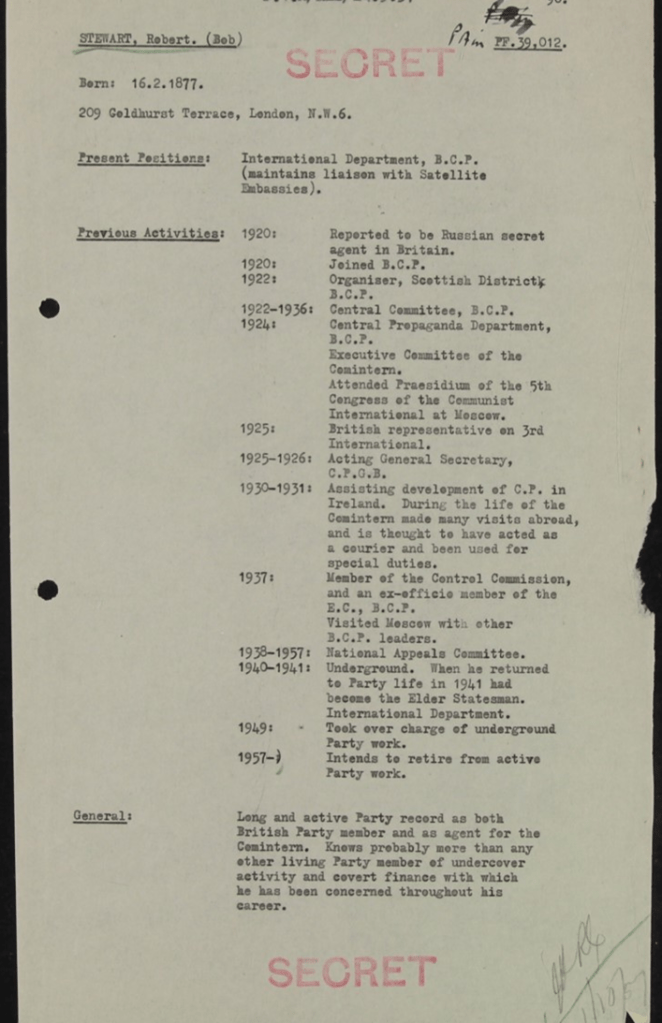
The document above is taken from the MI5 files now held at the National Archives in Kew. It’s from 1957 and gives a pretty comprehensive overview of Bob Stewart’s career in the Communist Party so far. Bob celebrated his eightieth birthday that year and most of the material the security services picked up from tapped telephones and bugged offices at the CPGB HQ in King Street, Covent Garden relate to him aiming to wind down and retire. There’s a decent summary of his professional life at the end.

“A long and active Party record as both British member and as agent for the Comintern. Knows probably more than any other living Party member of undercover activity and covert finance with which he has been concerned throughout his career.”

He’d spent quite a lot of the early years in Moscow, attended Lenin’s funeral and sat in meetings with Stalin. Then he spent time in Ireland trying to start up a Communist Party with the Irish labour hero Jim Larkin but little came of it. At one time, while the rest of the leading British communists were thrown in jail around the time of the General Strike, he became the CPGB’s Acting General Secretary. The Second World War years are a bit of a mystery but by the mid fifties the old man was very much on the security services radar again, though in this run down of activities they miss out his recent visit to China with Harry Pollitt where he met Mao Zedong.

Most of the surveillance work over the immediate years previously had been spent tailing him as he routinely visited satellite embassies and various address in the south of England. This was largely thought to be Bob moving different sums of Moscow cash around in order to keep King Street and The Daily Worker going. The issue of retiring and who he should hand over his responsibilities to was problematic as Bob wrote very little down, preferring instead to keep the details of all his undercover work in his head. There are several times in the transcripts where he is overheard by MI5 that he has been very lucky so far and didn’t want to go to prison at this time of his life. Indeed, at his advanced age he felt his memory was starting to fail and the past year had been exhausting. Revelations of Stalin’s crimes and how it affected his family personally had taken their toll. Eventually, Reuben Falber took over Bob’s work and if you want to find out what happened to the ‘Moscow gold’ just type his name into Google.

I don’t think Bob fully retired. There’s an album of photos from the 22nd Congress of the Communist Party of the Soviet Union in 1961 showing him mingling energetically with the delegates. He published his memoirs, Breaking the Fetters when he was ninety. Sensibly, but frustratingly it contains nothing of his undercover activities and only covers the early period of his life and the Party so there is little reflection on Stalinism. However, what does come through is his tremendous energy. The Communist Party in Britain formed in 1920. Bob was forty-five years old.  All of this happened in the last half of his life. Before, there’d been thirty odd years of campaigning for the temperance movement, for trade unionism and against the First World War. The drive he had astonishes me.

Alan Stewart.

What Is to Be Done?

I came to this story through grief. In 2018 my father, Michael, suddenly died of a heart attack at the age of 84. His passing brought to an end years of decline through vascular dementia. I had loved him very much and the idea that now there was only myself, my elder brother Ian and our mother was impossible to process. We did what most families do in that first year – come together for solace, then fracture painfully, then slowly heal. We did most of our grieving separately but I imagine it looked pretty similar. Sleep never seemed to arrive and I spent many nights in the spare room as my partner slept on searching through photographs, old letters and hunting down any recording or videos just so I could hear his voice again. He left very little trace on the internet – I picked up a few extra photographs from his days as a parish councillor, the odd story archived from the local paper from his days as the landlord of the village pub but very little else. Although it was in no way a reality, I felt I was losing him just as surely as the dementia had whittled down his ability to tell the stories he loved. God knows why I was looking for proof that he existed but, as is the way with these things, the death of a parent leads you to wanting to know more about where you come from and who your family are. And inevitably, you always leave it too late to ask the questions you need to ask. The gathering at my father’s funeral had been small. That’s not surprising for someone of my father’s age. He’d not been wealthy, he’d been an only child, both his parents had been dead for decades and illness had reduced his world. I’d always been aware that my family was perhaps more compact than my friends’ with all their cousins and uncles and aunts but, on my dad’s side, despite there being family out there somewhere, I can’t remember very much contact while I was growing up. Other than the affection he held for Bill and Jessica, his mother and father, and a few stories about his grandfather Bob I knew very little about his life before he was our Dad.

One insomniac night I was looking for more traces of him, and I finally found something more. I’d searched the National Archives collection and discovered the security service files relating to ‘Robert Stewart: A founder member of the British Communist Party…British representative on the Comintern and a member of its Executive. For many years he oversaw the British Communist Party’s secret apparatus including, it was thought, those of its members who passed military information to the Soviet Union’.  Of course I’d grown up with the knowledge of who Bob Stewart was but here was acres of material – all scanned and, from what was once top secret, easily accessible. Skimming through one file I found this dated August 1933:

“I saw Bob Stewart yesterday. Bill’s wife is in hospital. She had a baby a couple of days ago. Bob didn’t know a thing until it arrived. Both are doing well.”

The extract was from a letter intercepted by MI5 and written by the union agitator and one of the few communist politicians to be elected to Parliament, Willie Gallacher. The baby was my father who was born a few weeks before. The letter is mentioned during some notes about Bob’s arrival from Holland. Not only is his correspondence and that of his friends being intercepted, his movement around the country and abroad are being closely monitored. I continued to search the files for any mention of my father, occasionally rewarded with a tantalising glimpse. By the time the surveillance crept into the 1950s they were bugging telephones and offices. Through the transcripts I had the intimate conversations of the side of the family I had vaguely heard about but never really knew.

So, what is to be done with all of this? And all the letters, photographs and souvenirs left behind that we inherited from Granddad after his death in 1978. The case full of stuff that convinced me that all my family were all Soviet agents when I was five. The answer is to read and remember and to try to understand. There’s a lot in Bob’s life that I admire but, as with any lifelong communist from the 1920s, sooner or later you have to confront the obscenity of Stalinism. At the moment, as I’m researching the ramifications of Khrushchev’s secret speech and the Hungarian uprising in 1956 its clear these events had huge repercussions for my great grandfather, his children and his grandchildren. I’m not sure Bob comes out of it well but that’s for later. For now, all that remains is to say – Dad, all this is for you. I wish you were here to show you what we’ve found out. I wish you were here to talk about it all. We miss you.

Alan Stewart.