A little over a year had passed since the Communist Party’s first parliamentary contest at Caerphilly when it had to face its first general election. Parliament was dissolved in October 1922 and the election was on. We were fighting for united political action with the Labour Party, and at the general election we came out strongly for electoral unity. In five constituencies our members contested with Labour support: Saklatvala for Battersea North, Geddes for Greenock, Windsor for Bethnal Green N.E., Vaughan for Bethnal Green S.W. and Walton Newbold at Motherwell. At Dundee Bill Gallacher contested because it was a two-seat constituency and there was only one Labour candidate.
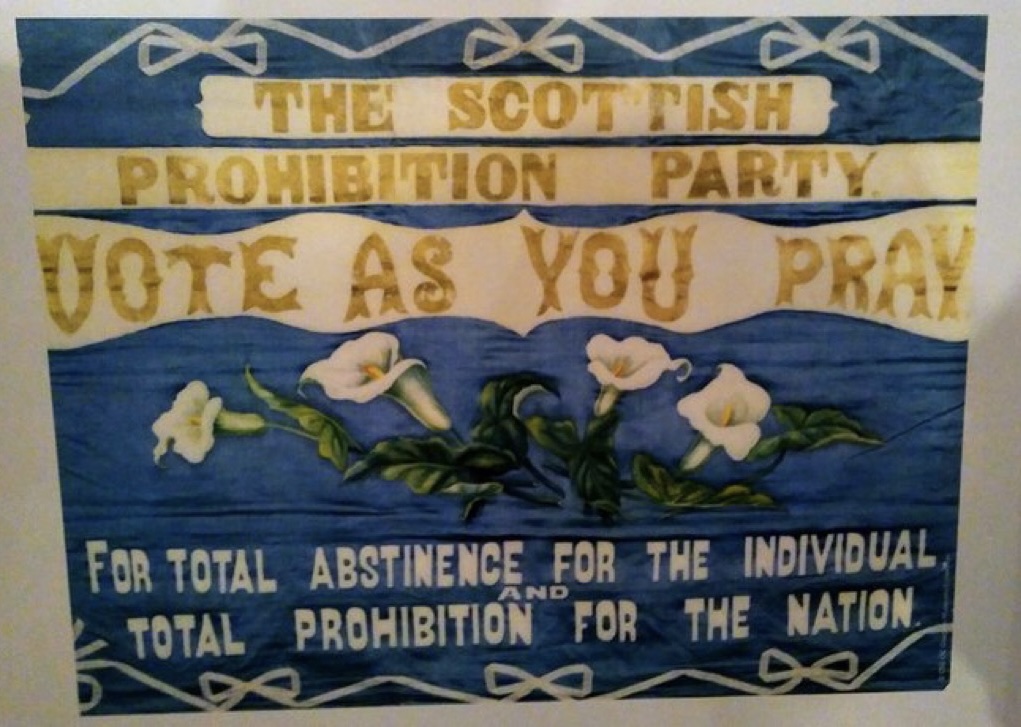
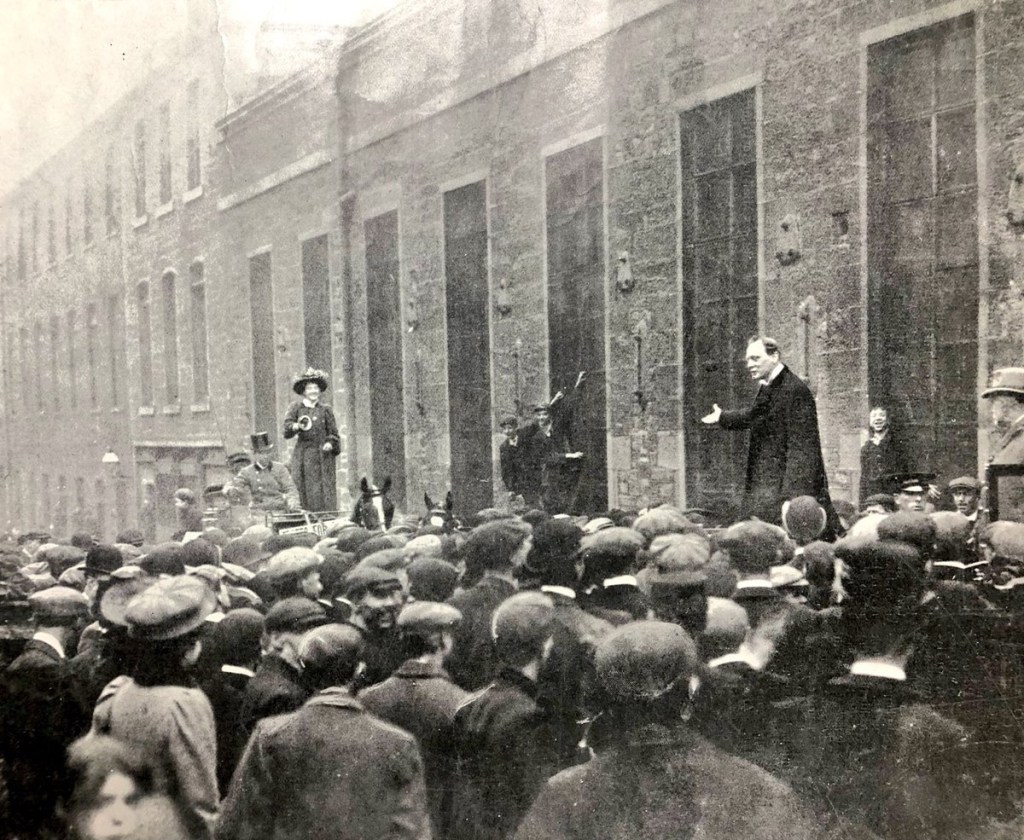
Because of my knowledge of Dundee and its politics I was sent along with Harry Pollitt to assist Gallacher. In 1908 I had been election agent to Scrymgeour, when Churchill had been elected with great enthusiasm. Now I was back in 1922 to see him rejected with equal enthusiasm.
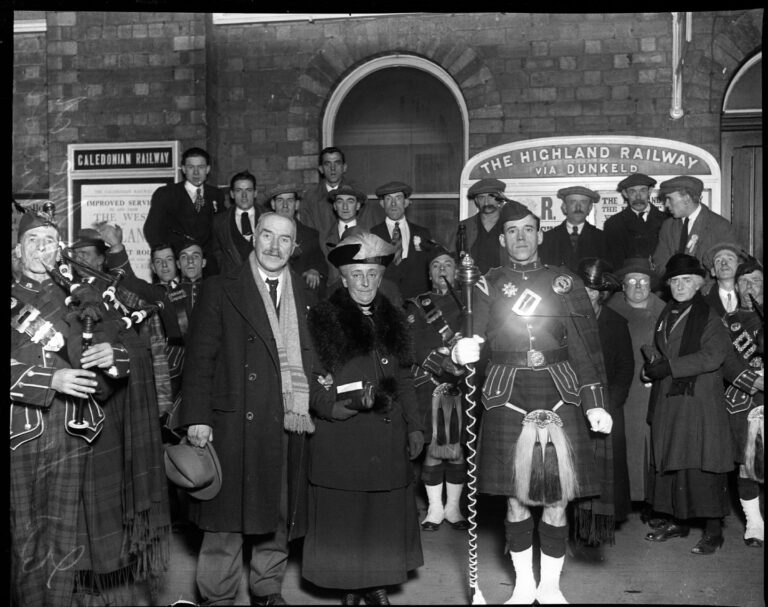
Gallacher arrived in Dundee on a Saturday evening. In fact he left an all-night sitting of the Party’s National Executive to travel from London on the day train. We had arranged a welcoming party for him which was more successful than we had ever hoped; at the Tay Bridge Station there were nearly 10,000 people gathered, along with the Engineers’ pipe band. At the station we formed a procession; the band, then Gallacher and the election agent, Jimmy Gardner (who later became general secretary of the Foundry Workers’ Union), then the thousands streaming behind. We marched through the town singing “Vote, Vote, Vote for Willie Gallacher!” and finished up in the Albert Square where we held the first meeting of the campaign.
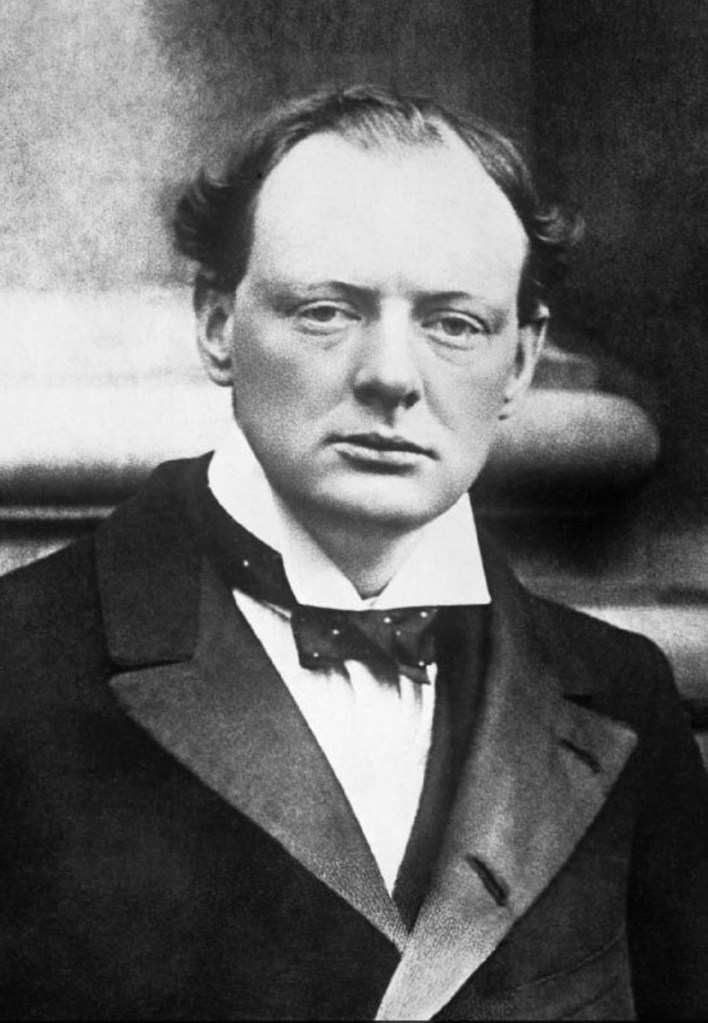
That Dundee election campaign was a rowdy, tousy, all action affair. there were six candidates for two seats, but the main protagonists were Gallacher and Churchill. In every speech Willie went after Churchill and his government, and in his speeches Churchill slanged Russia, the Communists and Gallacher in particular. As the campaign progressed the Gallacher and Churchill meetings were packed to capacity with hundreds in overflows and Churchill invariably getting the bird.
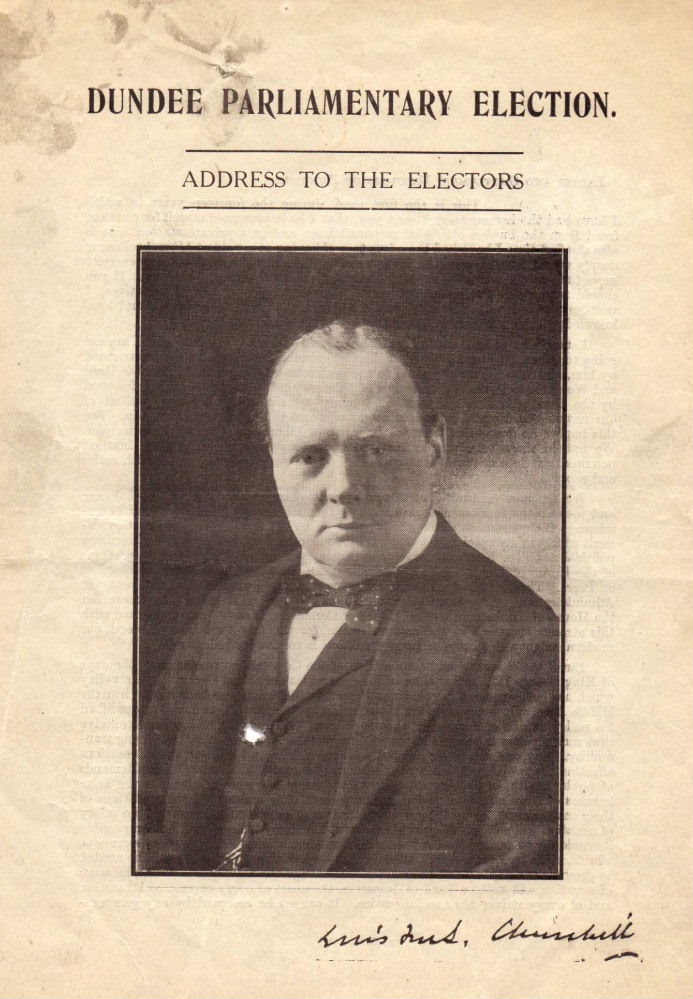
Gallacher’s campaign was wonderfully organised and could serve as a lesson to many present day parliamentary candidates. It was in this election I first saw the effective use of the propaganda tactic of the short street meeeting. Jimmy Shand came up from Salford with his car – the same one we had at Caerphilly – to help Gallacher. Willie got a megaphone – no loudspeakers in those days- and, with Jimmy Shand driving, they toured the shopping centres and streets holding short quarter of an hour meetings and then moving on. In these days meetings were held at selected points at advertised times and Gallacher’s car and megaphone meetings were ‘with it’ political campaigning that none of the other candidates, not even Churchill, could match and were one of the reasons why Gallacher was the best known candidate.
Because of his powerful personality and forceful campaigning, Gallacher attracted many non-communists to support him. We had hundreds of very able people on election work, but our real campaigning punch was provided by our chalking team. They were experts and did a real artistic job. Right down the middle of all the Dundee tramlines, spaced every fifty yards, was a Gallacher slogan- not all political- such as , “Don’t be silly, vote for Willie” or “Willie for Dundee”. No one had to ask who Willie was. These slogans were brushed on with a solution of carbide and whitewash and withstood all weathers for many months.
Towards the end of the campaign Churchill suffered a second body blow. It was bad enough Willie kicking hell out of him in every speech, but his one-time pal, the Dundee press autocrat D. C. Thomson, also took a hand. Churchill had asked the Dundee Courier (D. C. Thomson’s morning news-paper) to publish an advertisement giving quotations from speeches from Austen Chamberlain and Bonar Law, of course supporting the Churchill point of view, but Thomson refused to accept the advertisement. No doubt Churchill’s ego was offended; anyway there followed a real slanging match between old David Thomson and Churchill in correspondence which lasted right up to polling day, when the whole correspondence was published verbatim in the D. C. Thomson press as the voters were going to the poll. On the day polling took place the Dundee Courier published a leading article which commenced as follows:
CHURCHILL WITH HIS CHOLER UP
The Tale of a Lost Temper
Whatever may be his chances at the poll today, there can be no doubt that Winston Churchill is in a vile temper. He has taken no pains to conceal the fact. For those within his reach he has buckets of calumny . . . Mr. Pilkington, Mr. Morel, Mr. Scrymgeour, and Mr. Gallacher. Now he has turned full blast on the Dundee newspapers. Whose turn it will be next God only knows.
And in the very same issue Thomson published a letter he had sent to Churchill which ended: “To be quite candid, if you wish to discuss anything with me on friendly terms, cut out this threat nonsense and let us discuss the matter man to man.” Churchill never replied to this letter.
If Churchill could read an election campaign, and I have no doubt he could, he must have known he was a “goner” long before the result was declared. The amazing scene at the declaration of the poll is vividly described in Gallacher’s Rolling of the Thunder and I will leave it there.
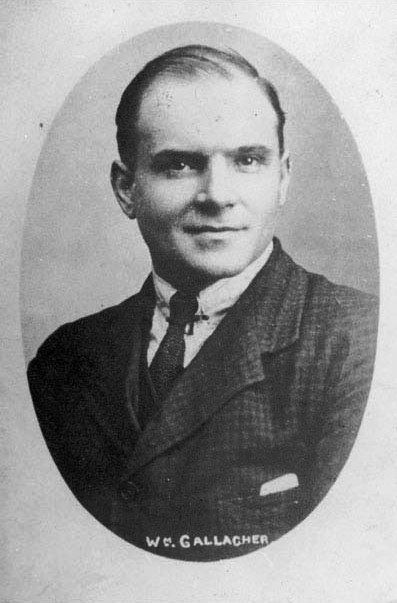
One more thing about this election I remember. The editor of our newspaper, the Communist, asked Gallacher to do a brief biography for publication. Remember this was Willie’s first parliamentary contest. How many of you municipal and parliamentary candidates have been in this same position? But the editor hadn’t bargained for what he received from Willie, which was as follows:
WILLIE GALLACHER
Dundee Communist Candidate- Story of My Life
I am born
I grow up – I go to school – I grow up more
I get a job carrying milk – I continue to grow
I leave school – I get a job with a grocer
I still grow
I get a job in an engineering shop – I began to grow in earnest
I become a knut: I join the IOGT – I’m a helluva fine fellow
Years pass – I join the Socialist movement
I lose my job
I stop growing – I go to sea – I get shipwrecked
I don’t get drowned – (What a pity)
I’m still a knut – I get married – Then get cracked
I start growing again – smaller
I go to America – become a “bum” – I return
The war starts
I grow again – crazy
I get involved in strikes – I go to gaol – I grow up again sad
I come out – The war goes on – So do I
The war ends – More strikes – More gaol
Come out again – I go to Russia – Great experience
Train on fire – Adrift in the Arctic Sea
Back again – Trouble again – Gaol again
Out again – Communist Party going strong
I become a “heid yin” – Communist Party not going strong any longer
I become a Parliamentary candidate
Great sensation – Overwhelming majority
Triumphant march to London – I enter Colney Hatch
Poor old Gallacher
Amen.
For the uninitiated, Colney Hatch is the site of a big mental hospital in north London. Willie had no romantic ideas about this election. His main aim was to expose Churchill and contribute to his final defeat. This he did handsomely as the final result showed:
Scrymgeour (Prob.) 32, 578
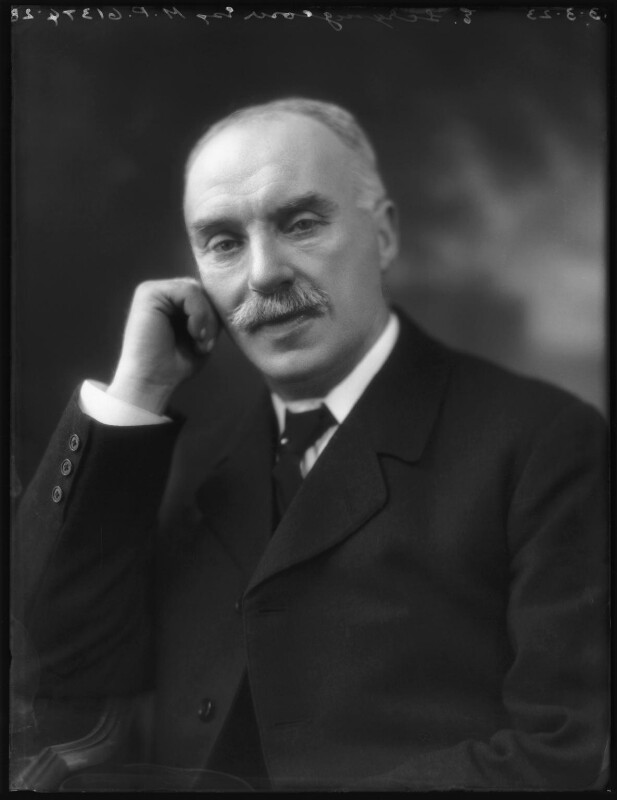
Morel (Lab.) 30, 292
MacDonald (N.L.) 22, 244
Churchill (N.L.) 20, 466
Pilkington (L.) 6, 681
Gallacher (Comm.) 5, 906
A year later in the 1923 General Election, Gallacher pushed his vote up to 10,380 in the same Dundee constituency, but by that time I was in the centre of world revolutionary politics- Moscow.
 Breaking the Fetters